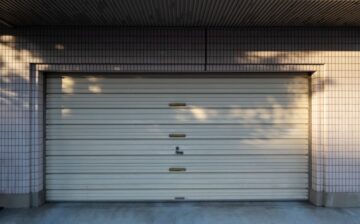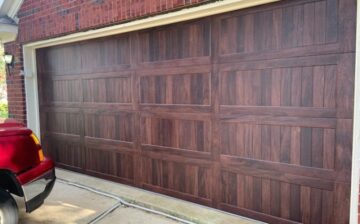

Moving into a new home is a whirlwind of logistics. You are managing movers, organizing boxes, setting up utilities, and trying to keep track of your keys. During this chaos, the garage often becomes the unsung hero of the relocation process. It serves as the primary staging area for boxes, the storage unit for overflow furniture, and the secure entry point for your family. Yet, amid the flurry of activity, many new homeowners overlook the condition and security of the garage door itself.
Ensuring your garage door is safe, secure, and fully functional should be a priority before you even cut the tape on your first moving box. You do not know the maintenance history of the home, nor do you know who might still have a remote control from the previous owner. Taking the time to audit and upgrade this system protects your belongings and gives you peace of mind as you settle into your new life.
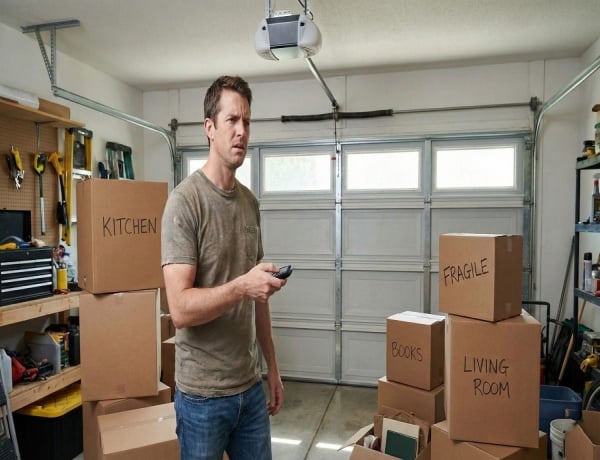
The Moving Day Stress Test
On moving day, your garage door will work harder than it has in months. Movers will be opening and closing it repeatedly or perhaps leaving it open for hours at a time. This heavy usage can expose underlying mechanical weaknesses. A door that was teetering on the edge of failure might snap a spring or throw a cable under the stress of constant cycling.
Before the moving truck pulls into the driveway, perform a visual and auditory inspection. Listen for loud grinding or squealing noises, which indicate a lack of lubrication or worn rollers. Watch the door as it travels; it should move smoothly without shuddering or racking from side to side. If the door looks unstable, it is a safety hazard for the movers and your family. Addressing these mechanical issues early ensures that your move-in day is not interrupted by a door that refuses to close, leaving your possessions exposed to the neighborhood.
Securing Your New Perimeter
Security is the most pressing concern when taking possession of a new property. You would never move in without changing the locks on the front door, and you should treat your garage door opener with the same caution. Previous owners, their relatives, or even neighbors might still have programmed remotes or keypad codes that grant them access to your home.
The first step is to clear the memory of the garage door opener. On most modern units, this is done by holding down the “Learn” button on the motor housing until the LED light goes out. This wipes all previous connections. Once the memory is clear, you can sync your own devices. This simple action ensures that only you and your family have access. It is a digital rekeying that secures the largest entrance to your home.
Mastering the Remote Control
Once the old codes are wiped, you need to get your own access set up. Many new homeowners struggle with syncing older openers to newer car systems or universal remotes. It can be a frustrating process of climbing ladders and pressing buttons in a specific sequence. However, getting this right is essential for daily convenience.
If you are unfamiliar with the specific brand of opener in your new home, taking the time to learn how to program garage remote systems correctly is worth the effort. Properly programmed remotes ensure you can pull securely into your garage at night without stepping out of your car. Additionally, this is the perfect time to set up any exterior keypads, giving you a backup entry method if you ever lock yourself out of the house during the unpacking phase.
Protecting Stored Belongings from the Elements
For the first few weeks or months, your garage will likely act as a storage unit. It will hold everything from artwork and electronics to winter clothes and tools. If your garage door has poor weather sealing, these items are at risk. A gap at the bottom of the door can let in rain, leaves, and rodents.
Inspect the rubber seal on the bottom of the door. If it is brittle, cracked, or missing chunks, replace it immediately. Also, check the vinyl weather stripping around the sides and top of the door frame. A tight seal helps regulate the temperature inside the garage, protecting your stored items from humidity and extreme heat. This is especially important in regions with fluctuating weather, as moisture can lead to mold growth on cardboard boxes and upholstery.
Safety Sensors and Child Protection
New homes mean new environments for children and pets to explore. The garage is full of potential hazards, and the overhead door is the biggest one. Federal safety standards require all residential garage doors to have functional safety sensors (photo eyes) that reverse the door if an object crosses the beam while closing.
During your initial walk-through, verify these sensors are working. They should be mounted near the floor on either side of the track. The indicator lights on both sensors should be solid, not blinking. Test them by closing the door and waving a broomstick through the beam. The door should immediately stop and reverse. If it does not, the sensors may be misaligned or faulty. Do not store boxes or furniture in a way that blocks these sensors, as this will prevent the door from closing and leave your home unsecured.
Identifying the Need for Professional Repair
Sometimes, a visual inspection reveals issues that are beyond a DIY fix. If you see a cable hanging loosely, a spring with a gap in the coils, or a track that is pulling away from the wall, do not attempt to operate the door. These are structural failures that require specialized tools and training to repair safely.
For those settling into a new neighborhood, finding reliable service providers is part of the relocation process. If you spot frayed cables or hear dangerous popping sounds, reaching out for garage door repair Dallas services is the smart move. A local professional can perform a comprehensive tune-up, balancing the door and tightening hardware to ensure the system is ready for the heavy traffic of a busy household. They can also advise you on whether the current opener needs to be upgraded to meet modern security standards.
Smart Home Integration for the Modern Move
If you are upgrading your new home with smart locks and thermostats, do not forget the garage. Retrofitting an older opener with a smart controller allows you to monitor and control the door from your smartphone. This is incredibly useful during a move. You can open the door for contractors or movers remotely and receive alerts if the door is left open.
This integration adds a layer of convenience and security that fits perfectly with a modern, connected lifestyle. It eliminates the “did I close the garage?” panic that often strikes when you are halfway to the hardware store. By prioritizing these checks and upgrades, you turn your garage from a potential liability into a secure, functional asset that supports your new beginning.
We hope you found this blog post on Essential Garage Door Checks Before You Unpack a Single Box useful. Be sure to check out our post on Adding Smart Technology To Your Garage Door for more great tips!

Have Experience in the Moving Industry? Want an Additional Income Stream? Work With All Around Moving!
The Work With Us program at All Around Moving Company allows you to run your own Relocation Contractor company from anywhere in the United States. Click here to learn more.