

The last stretch of delivery, often called the last mile, plays a major role in how businesses meet customer expectations. From busy retail stores to growing e-commerce hubs, the speed at which products move between trucks, storage areas, and delivery points shapes both cost and satisfaction. Modular loading ramps have become a quiet but powerful force behind this shift, helping companies move goods faster, safer, and more efficiently across different locations.
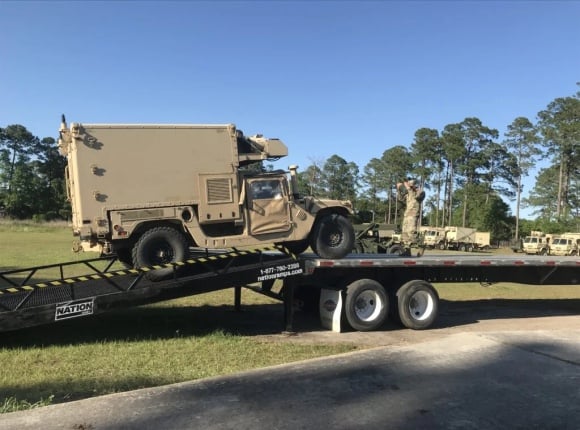
The New Demands of Last-Mile Logistics
The last mile used to be the simplest part of delivery. Trucks dropped off goods at warehouses or stores, and that was it. Now, with same-day and next-day delivery becoming standard, companies must handle more shipments in less time. Delivery spaces change constantly, from large distribution centers to small urban drop-off points. Many of these locations lack built-in docks, which slows down the transfer of goods. This is where modular loading ramps make a difference. These systems help bridge the gap between transport vehicles and ground level, removing delays that come from relying on fixed infrastructure. Their flexibility and quick setup make them an important part of how modern delivery teams adapt to growing demand.
Improving Speed and Efficiency
Speed defines success in last-mile delivery. Modular loading ramps allow vehicles to be loaded or unloaded almost anywhere. Instead of waiting for a fixed dock to free up, teams can use portable ramps to create new loading points within minutes. This reduces congestion in delivery yards and shortens the time trucks spend idling. The design of these ramps supports fast setup and easy relocation. Their modular sections can be connected or adjusted depending on the required height or space. Delivery managers can place them exactly where they are needed, cutting down on delays caused by limited access points. The result is a smoother flow of goods from trucks to storage and back on the road.
Reducing Costs and Downtime
Every minute a delivery truck waits costs money. Fuel use, driver hours, and wear on vehicles add up quickly. Modular loading ramps help reduce these expenses by creating efficient workflows. Instead of waiting for a turn at a crowded dock, drivers can complete their drop-offs faster and move on to the next stop. These ramps also minimize downtime during facility changes. Many last-mile operations run in leased spaces or temporary hubs. Permanent loading docks are expensive to build, but modular systems can be moved from one site to another as needed. They offer the same function at a fraction of the cost, allowing companies to scale up or down without major construction.
Supporting Urban Delivery Challenges
City delivery presents unique challenges. Limited parking, narrow lanes, and older buildings often leave little space for large loading bays. Modular ramps give companies the flexibility to set up temporary docks in tight or uneven spaces. They can adjust height and angle to match different trucks or storage areas, helping teams unload safely and quickly. In areas where noise and disruption are concerns, these ramps also offer smoother operations. Deliveries can happen early in the morning or late at night without needing heavy construction or fixed docks. This adaptability is valuable for retailers and couriers working in cities where space and time are limited.
Safety and Stability in Every Operation
Safety is a major focus in logistics, especially when teams handle heavy loads or large vehicles. Modular loading ramps are designed with features that improve worker safety and reduce accidents. Non-slip surfaces and guard rails help prevent slips and falls, while stable steel frames handle the weight of heavy equipment and goods. The ability to adjust height precisely also reduces risk. Workers no longer have to improvise with uneven platforms or makeshift tools. A level surface between the truck and the ground keeps materials steady and prevents damage. These safety measures build confidence among workers and create smoother daily routines.
Enhancing Warehouse Flexibility
Modern warehouses must stay adaptable. Seasonal demand, market changes, or supply chain disruptions can force companies to change their layouts. Modular loading ramps give warehouses that flexibility. They can be moved to new positions, joined to other platforms, or configured to match different loading dock heights. When warehouses expand or relocate, these ramps move with them. They fit into new spaces easily without requiring long installation times. This means a business can continue operations even during major transitions. The modular design supports growth without interrupting the daily flow of goods.
Temporary Sites and Pop-Up Distribution Centers
Many businesses now use temporary distribution centers to meet sudden spikes in demand. Setting up a new location quickly is only useful if trucks can load and unload efficiently. Modular loading ramps make that possible. They can be transported, assembled, and used within a short time frame. These ramps also support pop-up retail spaces or seasonal operations. For example, during the holiday season, temporary warehouses can handle extra deliveries without building permanent docks. Once the rush is over, the ramps can be disassembled and stored for future use. This kind of adaptability keeps businesses agile and cost-conscious.
Supporting Sustainable Logistics
Sustainability has become a core value for logistics operations. Modular loading ramps contribute to that goal by improving efficiency and reducing waste. Because they can be reused and reconfigured, there is less need for new construction or demolition. Each setup lasts for years and adapts to new purposes. They also reduce fuel waste by cutting down on idle truck times. When trucks move faster through loading zones, emissions drop. Fewer delays mean fewer engines running needlessly. These small but consistent improvements make modular systems an important part of greener logistics practices.
A Reliable Solution for Growing E-Commerce
E-commerce has changed the speed and scale of delivery networks. Businesses now handle hundreds or even thousands of shipments each day. Modular loading ramps help them manage that volume by simplifying the movement between trucks and storage areas. They make it possible to create multiple loading zones in a single facility, increasing capacity without large structural changes. For smaller e-commerce companies, modular ramps are especially valuable. They make it possible to run efficient operations in rented or shared spaces. As the business grows, the same ramps can move to larger facilities. This scalability supports growth without adding unnecessary cost or complexity.
Integration with Technology and Automation
Technology has reshaped how goods move, and modular loading ramps fit neatly into that environment. They work with automated systems like forklifts, conveyors, and docking platforms. The solid structure and customizable design allow smooth integration with other tools that speed up loading and unloading. As companies explore more automation in last-mile logistics, the ability to pair modular ramps with mechanical systems becomes a key advantage. It creates consistent alignment between equipment and vehicles, reducing errors and improving workflow. This makes them a smart choice for businesses investing in both flexibility and innovation.
As businesses continue to expand their reach and customer expectations rise, these ramps will remain central to improving last-mile delivery. Their modular design makes them one of the most practical innovations for a fast-paced logistics world that values both performance and sustainability.
We hope you found this blog post on How Modular Loading Ramps Are Revolutionizing Last-Mile Delivery Operations useful. Be sure to check out our post on A Comprehensive Guide to Driving Commercial Trucks for more great tips!

Have Experience in the Moving Industry? Want an Additional Income Stream? Work With All Around Moving!
Moving relocation consultants: Partner with us and join the Work With Us program. We will help you make money by arranging professional moving services, by establishing your own moving consultant business operation. Click here to learn more. A nominal one-time start-up fee of $275.00 gives you the “key” to have your business up and running.