

Moving into your new home is exciting. You’re busy unpacking boxes, choosing paint colors, and figuring out where the furniture goes. But while you’re focused on making the place yours, important concrete problems might be hiding in plain sight.
Most home inspections happen quickly, often in less-than-ideal conditions. Rain, snow, or even furniture can hide cracks and damage you need to know about. Plus, some concrete issues don’t show up until after you move in, when the home settles with new occupants or seasonal changes kick in.
The first few weeks in your home are the perfect time to do a thorough concrete check. Many warranties and seller agreements have time limits. Catching problems now could save you thousands in repairs later. Let’s walk through the concrete issues you should inspect right away.
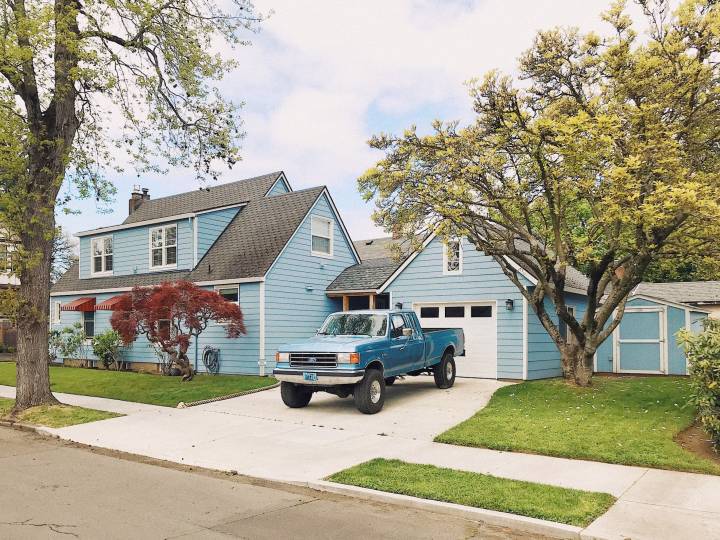
Check Your Driveway for New Cracks
You probably glanced at the driveway during your home inspection, but now you need a closer look. Cracks have a sneaky way of appearing right after you move in. Temperature swings, new vehicle weight, or settling soil can all create fresh damage in concrete that looked fine a month ago.
Start by walking your entire driveway slowly. Look for cracks you don’t remember seeing before. Small hairline cracks under a quarter-inch wide are usually cosmetic—annoying but not dangerous. They happen as concrete naturally ages and responds to temperature changes. You can often leave them alone or fill them with concrete crack filler from the hardware store or your local concrete supply company.
Wider cracks are different. Anything over a half-inch wide deserves attention, especially if it’s deep enough that you can’t see the bottom. These cracks let water seep underneath the concrete. That water freezes in winter, expands, and makes the crack worse every year. What starts as a manageable crack can turn into a broken driveway section within a few seasons.
Pay attention to the crack direction too. Diagonal cracks often signal settling or soil movement underneath. They can mean you have a drainage problem or unstable ground. Straight cracks that follow the lines of your driveway sections are usually less concerning—they’re often just contraction joints doing their job.
If you find serious cracks, document them with photos and measurements. Contact your home warranty company or the previous owner if you’re still within your agreement period. Fresh cracks might be covered, but you’ll need to report them quickly.
Your Garage Floor Might Not Be Level
Most people don’t think about garage floor slopes until they notice something wrong. Water pooling in one corner after rain? Is your car rolling backward even with the parking brake on? These are signs that your garage floor has leveling issues.
A slight slope toward the door is actually normal—it helps water drain out instead of pooling inside. But if your garage has a noticeable tilt to one side, or if things roll in unexpected directions, you’ve got a problem. Place a marble or ball bearing on different spots and watch which way it rolls. This quick test reveals slopes you might not see with your eyes.
Uneven floors usually mean the concrete settled unevenly after installation. This happens when the soil underneath wasn’t properly compacted, or when water eroded the ground beneath one section. Sometimes, tree roots or poor drainage cause selective settling over time. The concrete itself might be fine, but the foundation underneath gave way.
Small slopes might not need immediate fixing, but keep an eye on them. Take photos from the same spots every few months to see if the problem is getting worse. Active settling means you’ll eventually need to address the root cause—usually drainage or soil issues—before fixing the concrete.
For floors with serious unevenness, mudjacking or polyurethane foam injection can lift and level the concrete. These repairs work well but cost money. If you discovered this problem right after moving in, check whether your home inspection noted it. You might have recourse with the seller.
Don’t Ignore Chipped Steps and Walkways
Chipped concrete on steps and walkways isn’t just ugly—it’s a safety hazard and a liability issue. Those rough edges can catch shoes and cause falls. If someone gets hurt on your property, you could be responsible.
Walk your front steps, back steps, and all sidewalks carefully. Look at the edges and corners where chips most often occur. Run your hand along the edges (carefully) to feel for damage you might not easily see. Check for any pieces of concrete that have broken off or areas where the surface is flaking away.
Concrete chips for several reasons. Freeze-thaw cycles are the main culprit in cold climates—water gets into tiny cracks, freezes, expands, and pops off chunks of concrete. Salt and ice-melting chemicals accelerate this damage. Poor-quality concrete or improper installation can also lead to early chipping. Sometimes, concrete just gets old and starts to deteriorate.
Small chips can be patched with concrete repair compound. Clean out the damaged area, apply the compound, and smooth it level with the surrounding surface. This works fine for minor damage and costs almost nothing. The patch won’t match perfectly in color, but it’s safe and functional.
Larger damage is trickier. If you have multiple chipped areas, extensive edge damage, or chips that expose the rebar underneath, you’re looking at more serious repairs. Concrete overlays can resurface damaged steps and walkways, giving you a fresh surface without tearing everything out. Complete replacement is the last resort for severely damaged concrete.
Take care of chipped areas quickly. They only get worse over time, and the damage spreads. A small chip this year becomes a major spall next year.
Look Carefully at Your Patio Condition
Old patios can look charming, but they can also be falling apart. Just because the previous owners sat out there with their morning coffee doesn’t mean the concrete is sound. Now that it’s yours, you need to know what you’re dealing with.
Surface deterioration comes in different forms. Flaking or scaling is when the top layer of concrete peels away in thin sheets. This usually happens from freeze-thaw damage or using too much salt. Pitting creates small holes or divots in the surface. Discoloration might be cosmetic, but it can also signal chemical damage or water intrusion.
Check for cracks in the patio slab. Small cracks aren’t always a problem—concrete cracks as it ages. But cracks that are getting wider, cracks that go all the way through the slab, or cracks with one side higher than the other indicate movement and settling. These cracks can turn into trip hazards and let water underneath the patio.
Water drainage is huge for patios. Stand on your patio during or right after rain. Does water pool in spots? Does it drain toward your house instead of away? Poor drainage damages concrete and can cause foundation problems where the patio meets your home. You might need to add drainage solutions or even re-slope the patio.
A worn patio becomes a structural concern when it starts affecting your home’s foundation or when it creates safety hazards. If the patio is pulling away from the house, cracking badly, or settling unevenly, these are red flags. Sometimes resurfacing with a concrete overlay can buy you years of additional life. Other times, replacement is the smarter long-term investment.
Foundation Cracks Need Professional Eyes
Finding cracks in your foundation after you move in is scary. Take a deep breath—not all foundation cracks are catastrophic. But you do need to understand what you’re seeing and get professional help if needed.
Hairline cracks under an eighth of an inch wide are common in concrete foundations. They often result from concrete shrinkage as it cures or from normal settling. If these cracks aren’t getting bigger and you don’t see other problems, they’re usually fine. Monitor them with a crack monitor (a simple plastic gauge) or mark the ends with a pencil and dates to track any growth.
Horizontal cracks are more concerning than vertical ones. Horizontal cracks can signal pressure from soil pushing against the foundation wall. This pressure can come from poor drainage, expansive soil, or tree roots. Horizontal cracks often mean you need waterproofing work and possibly structural repairs.
Vertical or diagonal cracks wider than a quarter-inch deserve attention. Measure them at their widest point and document with photos. Look for stair-step cracks in block foundations—these indicate settling or structural movement. Any crack you can fit a coin into needs professional evaluation.
Active movement is the real warning sign. If your doors suddenly stick in their frames, windows won’t open smoothly, or you’re seeing new cracks in interior walls above doors and windows, your foundation is still moving. This isn’t something you can ignore or fix yourself.
Get a structural engineer or foundation specialist to inspect serious cracks. This usually costs a few hundred dollars but gives you expert analysis of what’s happening and what needs to be done. If you just moved in and find significant foundation issues that weren’t disclosed, contact a real estate attorney. Foundation repairs are expensive, and you might have legal options.
Keep detailed records of all foundation cracks you find. Take photos with something for scale—a ruler or coin works well. Write down when you first noticed each crack and any changes you observe. This documentation helps professionals diagnose the problem and supports any warranty or legal claims you might need to make.
Protect Your Biggest Investment
Your home is probably the biggest purchase you’ll ever make. Taking time now to check for concrete problems saves money and stress later. Driveways, garage floors, walkways, patios, and foundations all play important roles in your home’s safety and value.
Walk your property with fresh eyes and look for the issues we’ve covered. Most concrete problems are manageable when you catch them early. Wait too long, and small cracks become big repairs. Document everything you find, get professional opinions when needed, and act quickly on safety hazards.
You’ve got a lot on your plate as a new homeowner, but this concrete inspection is time well spent. A little attention now means years of worry-free living in your new home.
We hope you found this blog post on Just Moved In? Concrete Problems New Homeowners Should Check is useful. Be sure to check out our post on Guide to Residential Concrete’s Longevity for more great tips!

Have Experience in the Moving Industry? Want an Additional Income Stream? Work With All Around Moving!
We provide the tools and training to help you, moving consultants, start your own business. Reserve your partnership with us today. Click here to learn more.