
Building a luxury custom residence in Austin takes 12 to 18 months on average, with estate-scale Hill Country projects often running longer. Understanding this timeline before breaking ground shapes financing, land acquisition, and every major commitment that follows.
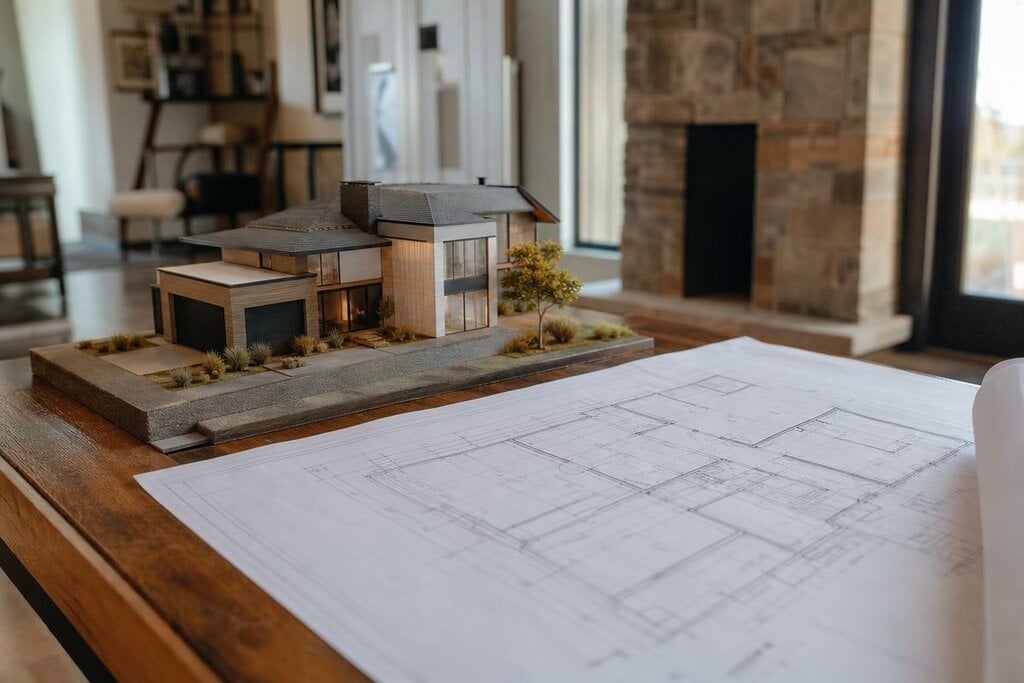
From the First Conversation to the Day You Walk Through the Door
Founded in 2007 by David Lyne, Seven Custom Homes has completed over $500 million in luxury residential projects across Greater Austin and the Texas Hill Country, including Westlake, Barton Creek, Rollingwood, and Tarrytown. Recognized with the 2014 Custom Builder of the Year and 2014 MAX awards, the firm has refined its process through real site conditions, regional permitting cycles, and material-sourcing realities specific to Central Texas.
Austin and the Hill Country present distinct variables: expansive clay and caliche soils, municipal versus county permit timelines, and regionally appropriate materials, all of which influence project duration.
Phase 1: Pre-Construction and Design (Months 1 Through 4
The first four months determine nearly everything that follows. Decisions made during pre-construction shape the budget, schedule, and quality of every finish. Skipping steps here creates compounding delays later.
How Long Does the Design Phase Take?
The design phase typically runs three to four months, opening with a discovery meeting covering site evaluation, preliminary budget, and architectural direction, then progressing through schematic drawings, design development, and permit-ready construction documents.
Permit Submission and Material Sourcing
Travis County permit reviews run four to eight weeks. Hill Country municipalities near the Edwards Aquifer recharge zone or steep grades can extend approval to twelve weeks or longer. Milestones are tracked in real time through Buildertrend.
Interior selections must begin by month two or three. High-specification finishes carry long lead times: Fleetwood doors, Andersen windows, and Advantech products typically require eight to sixteen weeks from order to delivery. Late selections are the single most common cause of schedule extensions.
Phase 2: Site Preparation and Foundation (Months 4 Through 7)
Once permits are approved, site work begins. Hill Country lots frequently require rock excavation through limestone and caliche. Clearing, grading, erosion controls, utility trenching, and stormwater management for aquifer-protection compliance follow. A licensed structural engineer then specifies a post-tensioned slab or pier-and-beam system based on soil testing; curing and moisture conditioning require several weeks before framing can begin.
Phase 3: Framing and Mechanical Rough-In (Months 7 Through 11)
Framing raises the structural shell, sets the roof, and completes exterior dry-in with sheathing, house wrap, windows, and doors. Mechanical trades then begin rough-in: plumbing, electrical, HVAC, low-voltage wiring, and smart-home infrastructure are installed before insulation, and drywall closes the walls. Framing, mechanical, electrical, and plumbing rough-in inspections must each pass before insulation proceeds.
Phase 4: Interior Finishes and Systems (Months 11 Through 15)
After insulation and drywall, cabinetry, countertops, flooring, tile, trim, paint, plumbing fixtures, and lighting are installed in a carefully sequenced order. Custom millwork, natural-stone surfaces, and integrated smart-home and energy-efficient systems are commissioned and tested during this phase.
Phase 5: Final Inspections, Punch List, and Certificate of Occupancy (Months 15 Through 18)
What Happens During Final Inspections?
Final municipal inspections cover framing, mechanical, electrical, plumbing, energy compliance, and the closing building inspection. Jurisdictions covering Lakeway, Bee Cave, and unincorporated Travis County often follow different timelines from those within the Austin city limits. Scheduling inspections alone can take one to three weeks; Buildertrend keeps every date and result visible to the client.
The Punch List Process
A punch list is a formal, documented record of items requiring correction before closing—typically two to four weeks on a luxury custom residence. The builder and client walk the home together, noting anything that does not meet agreed specifications; every item is logged, assigned to the responsible trade, and tracked to resolution.
Certificate of Occupancy and Warranty Activation
The Certificate of Occupancy is issued after all final inspections pass, making the home legally ready for occupancy. Warranty and in-house maintenance service activities at move-in, covering seasonal tune-ups, preventive maintenance, and rapid response.
What Causes Custom Home Timeline Delays?
The most common delays trace to three sources: late interior selections, permit review layers in aquifer-sensitive jurisdictions, and long lead times on specialty materials. A single tile or window order placed weeks late can stall an entire trade sequence. Heavy spring rains can also pause excavation and foundation work. Front-loading selections, tracking permits in real time, and sequencing trades deliberately are the most reliable ways to keep an 18-month build on schedule.
Why Choose Seven Custom Homes
Seven Custom Homes is a luxury residential construction firm founded in 2007 by David Lyne, serving Greater Austin and the Texas Hill Country from 312 Medical Parkway, Building B, Lakeway, TX 78738. The firm earned the 2014 Custom Builder of the Year and 2014 MAX Award, with a portfolio spanning architectural design, smart home technology, energy-efficient building, and custom estate development across Westlake, Rollingwood, and Barton Creek.
Learn more about Seven Custom Homes’ custom home building.
Frequently Asked Questions
How Much Does It Cost to Build a Custom Home in Austin?
Custom home costs in Austin typically range from $300 to $600 or more per square foot, depending on lot conditions, material selections, and architectural complexity. Luxury finishes, smart home systems, and specialized structural requirements can push costs toward the higher end. Seven Custom Homes provides a detailed cost breakdown during early planning so clients understand the full budget before construction begins.
Can I Make Changes to the Design After Construction Begins?
Mid-construction changes, often called change orders, are possible but can add cost and time. Minor adjustments like fixture swaps are generally easier to absorb, while structural or layout changes after framing can create significant ripple effects. Finalizing selections before breaking ground is the best way to avoid costly revisions.
Do I Need to Own Land Before Working With Seven Custom Homes?
Land ownership is not required before reaching out. Seven Custom Homes can guide lot selection and evaluate whether a parcel suits design goals, considering slope, soil type, and local zoning. Starting that conversation early prevents buyers from purchasing land that complicates the build.
What Warranty Coverage Comes With a New Custom Home?
Most custom homes in Texas carry a one-year workmanship warranty, a two-year systems warranty covering plumbing and electrical, and a ten-year structural warranty. Seven Custom Homes walks clients through warranty documentation at closing so coverage and claims processes are clearly understood.
Is It Safe to Visit the Construction Site During the Build?
Site visits are encouraged but must be coordinated in advance. Active construction zones carry real hazards, including open trenches, heavy equipment, and exposed framing, so unannounced visits are strongly discouraged. Seven Custom Homes schedules regular client walkthroughs at key milestones to keep clients informed safely.
How Do Austin’s Climate and Soil Conditions Affect a Custom Build?
Expansive clay soils often require engineered pier-and-beam or post-tension slab foundations to prevent shifting. Hot summers influence material choices, HVAC sizing, and insulation specifications. These regional conditions are factored into every project from foundation design through mechanical systems to reduce long-term maintenance issues.
What Should I Bring to My First Meeting With Seven Custom Homes?
A rough budget range, general square footage target, and inspiration images will make the first conversation more productive. If land is already owned, bring any surveys, plat maps, or HOA guidelines. That initial meeting is used to align expectations early and prevent surprises during design and budgeting.
About Seven Custom Homes
Seven Custom Homes is a custom home building company based in Austin, Texas, specializing in luxury residential construction. The firm works with clients to design and build fully customized homes tailored to individual specifications and site requirements. Seven Custom Homes operates primarily throughout the Austin metropolitan area and surrounding Central Texas communities.
We hope you found this blog post on Custom Home Building Timeline: What to Expect From Blueprint to Move-In useful. Be sure to check out our post on A New Build Could Be The Perfect Home For You for more great tips!

Have Experience in the Moving Industry? Want an Additional Income Stream? Work With All Around Moving!
Consultants: You can make extra money by adding a new revenue stream. Every step of the journey, we’ll be there for you. Partner with us and we’ll help you profit. Click here to learn more.
Calling all real estate experts—our high-visibility moving blog is now accepting guest posts. Submissions from companies, brokers, agencies, and agents are welcome.