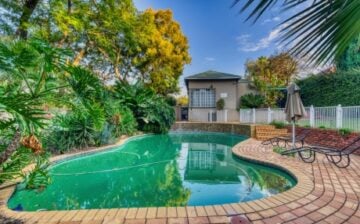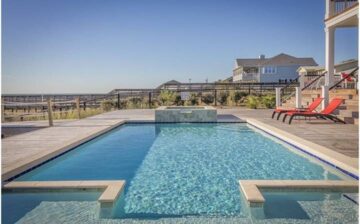

Even when swimming season is over, your pool doesn’t stop needing care. Cold weather affects water chemistry, equipment stress, and how quietly damage can develop over time. From water balance to protecting your pool cleaner and circulation system, knowing what actually matters in winter can prevent costly surprises when spring arrives.
Do Pools Need Attention During Winter?
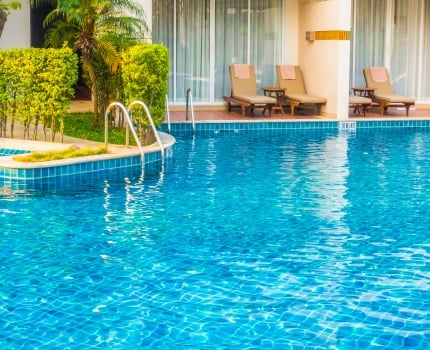
Pools don’t go dormant just because it’s cold. During the winter, the water chemistry is still active, debris still falls in, and equipment can still be damaged; it just happens more slowly. Most winter pool damage doesn’t happen because homeowners ignore their pool; it happens because they assume cold weather “pauses” problems. Winter pool conditions slow things down, but they don’t stop chemical drift, organic decay, freeze expansion, or equipment stress.
That’s why leaving a winter pool completely unattended is one of the most common reasons homeowners find green water, stains, or cracked equipment in spring. Pools that are ignored don’t fail loudly; they fail quietly, then show the damage later, when repairs are harder and more expensive. Proper swimming pool care in winter prevents these delayed failures.
That said, winter pool maintenance doesn’t require daily care. It requires strategic, preventative attention. A little winter pool maintenance now prevents weeks of cleanup and repair bills later.
What Winter Pool Maintenance Includes
Good winter pool maintenance focuses on protection, not perfection. You’re aiming to keep the water stable and the equipment safe, not crystal-clear, swim-ready. Winter pool care isn’t about keeping the pool clean; it’s about preventing irreversible problems during the winter.
That means preventing scale and corrosion, preventing freeze damage rather than reacting to it, and stopping algae from establishing, even when it’s invisible. If summer care is about performance, swimming pool care in winter is about preservation.
If the pool is closed, this becomes occasional check-ins. If it’s open year-round, it’s lighter but has consistent upkeep. Proper winter pool maintenance typically includes balancing water chemistry before and during winter, skimming leaves and debris before they sink and stain, maintaining proper water level, protecting exposed plumbing and equipment from freezing, and using periodic circulation to prevent stagnation in a winter pool.
Essential Winter Pool Chemicals
Winter pool chemicals are simpler, but more important, than summer chemistry. Cold water slows chemical reactions, but it doesn’t stop them, which means the imbalance just takes longer to show up in a winter pool.
At a minimum, most pools still need sanitizer to prevent bacteria and algae, pH and alkalinity control to prevent corrosion, scale, and wild swings, and calcium hardness kept in range, especially in freezing climates. Many homeowners also use winter pool chemicals like winterizing kits or slow-release sanitizers designed for cold water, reducing the need for frequent dosing during the winter.
In winter, the most dangerous mistake is thinking “low activity = low risk.” Cold water masks chemical problems: pH drift goes unnoticed, low sanitizer doesn’t show until algae blooms, and calcium imbalance quietly etches or scales surfaces. This is why stable winter pool chemicals are essential for effective swimming pool care in winter.
That’s why winter chemistry focuses less on adjustment and more on stability, fewer winter pool chemicals, checked less often, but never allowed to fall out of range.
Preventing Algae With Winter Algaecide Pool
Algae can absolutely grow in winter, especially during mild spells, sunny stretches, or under pool covers that trap warmth and moisture. Winter algaecide pool treatments are designed to prevent this quick growth. Winter algae isn’t dramatic; it’s strategic. It grows quietly under covers, along walls, during warm spells, and after debris decomposes in a winter pool.
Most “mystery green pools” in spring started as small, invisible algae blooms during the pool’s winter. By the time you see it, it’s already been there for weeks.
The key to prevention is keeping sanitizer levels from dropping to zero, brushing surfaces before winter so spores don’t cling, preventing debris buildup that feeds algae, and using a winter pool algaecide or winter algaecide pool treatment if recommended. Prevention works because it targets algae before it’s visible, not after it turns the winter pool green.
How Long Should a Pool Pump Run In Winter
The pool pump in winter is less about filtration and more about circulation and freeze protection. In winter, pump runtime isn’t about cleanliness; it’s about water movement. Still water freezes faster than moving water, which makes circulation the first line of defense.
Moving water freezes more slowly, distributes winter pool chemicals evenly, and reduces dead zones where algae and scale form. That’s why pool pump in winter schedules look “too short” or “too long” depending on the weather, they’re responding to physics, not debris levels.
In most cases, one to four hours per day is enough for open pools in mild climates. During freezing weather, the pool pump in winter may run continuously to keep water moving. Pools with freeze-protection systems should follow the manufacturer’s settings to protect the winter pool.
Protecting Equipment In A Winter Pool
Freezing temperatures are when the most expensive pool damage happens. Water expands when it freezes, and if it freezes inside pumps, filters, heaters, valves, or pipes, the result is cracked housings and broken plumbing. One frozen pipe can crack multiple components in a winter pool.
Freezing doesn’t damage equipment gradually. It happens overnight, in one cold snap, and without warning. Skipping protection during the winter can turn a single cold night into a four-figure repair, which is where most winter damage happens.
That’s why winter equipment protection is a critical part of winter pool maintenance. Protection options include running the pool pump in winter during freezes, using freeze-protection automation, draining and winterizing equipment for closed pools, and insulating exposed pipes in a winter pool.
Heating A Swimming Pool In Winter
Heating a winter pool depends on how you use it, not just the temperature. Winter heating only makes sense if usage justifies energy loss. The mistake homeowners make during pool winter is thinking, “If the heater works, it must be reasonable.”
Heating can be worth it if you swim year-round, use the pool for therapy, have a high-efficiency heater, and use a pool cover to retain heat. It’s usually not worth it when the pool sits unused, heat loss overnight outweighs daytime gains, and energy costs outweigh actual usage during swimming pool care in winter.
In reality, heat loss in winter happens faster than heat gain unless the pool is covered, used frequently, and heated efficiently. Many homeowners find a short heating window in early fall or early spring far more cost-effective than full winter pool heating.
Heating without a plan turns into paying to warm the air above the pool, not the water inside it.
When To Use Winter Pool Algaecide
Winter pool algaecide works best when used before algae becomes a problem, not after. It works best before pool winter problems start, not when spring reveals them.
Ideal timing includes right before closing the pool, when water temperatures consistently drop below around 60°F, during temperature transitions, and after heavy leaf drop or other debris events. It can also be used as a preventative treatment for open pools as part of regular winter pool maintenance.
Used correctly, winter pool algaecide and winter algaecide pool treatments don’t kill algae; they prevent algae from ever getting established. That’s why pools treated properly during the winter open faster and cleaner. Used correctly, algaecide reduces spring cleanup time dramatically, but it should complement proper sanitation and winter pool chemicals, not replace them.
We hope you found this blog post on Do Pools Need Any Attention During Winter. Be sure to check out our post on Choosing the Ideal Pool: Above-Ground Vs. In-Ground for more great tips!

Have Experience in the Moving Industry? Want an Additional Income Stream? Work With All Around Moving!
Our unique Work With Us program allows experienced moving and relocation consultants to run their own Consultant business from anywhere in the United States. Click here to learn more about the program.