

Anyone who has sat through an office relocation knows it rarely stays simple for long. What starts as “we just need to move some desks” has a way of turning into a full logistical puzzle, with workstations, cables, filing cabinets, and half-assembled cubicles scattered across two buildings at once. Large office furniture, cubicles, and equipment are not just bulky items waiting for a truck. They are the physical backbone of how a company operates day-to-day, and moving them the wrong way can cost a business more than a few scratched desks. It can cost time, morale, and momentum. Getting it right takes planning, a steady hand, and people who have done this enough times to know where things usually go wrong.
Careful Planning Sets the Foundation for a Successful Move
Long before moving day actually arrives, the groundwork is already being laid. Experienced crews walk the space, review what needs to go where, and flag the items that will need special handling, whether that is a solid oak conference table that barely fits through a doorway or a rack of servers that cannot be tipped on its side. For a commercial moving company NYC, businesses tend to trust that this early legwork as seriously as the move itself, because a plan built on real observation leaves far fewer surprises once the trucks are loaded and the clock is running.
Moving Large Office Furniture Requires More Than Strength
There is a common assumption that moving heavy furniture just comes down to muscle, but that misses most of the actual work. Desks, filing cabinets, reception counters, and conference tables are awkward in ways that only reveal themselves in narrow hallways, cramped freight elevators, and lobbies packed with foot traffic during business hours. Crews who do this regularly know when to slow down rather than push through, and they protect surfaces and edges as a matter of habit rather than an afterthought. Disassembly is often the smarter move for larger pieces, and the real skill is in keeping every screw, bracket, and connector organized so the furniture goes back together exactly as it came apart, without a mystery bolt left over at the end.
How Movers Handle Cubicles and Modular Workspaces
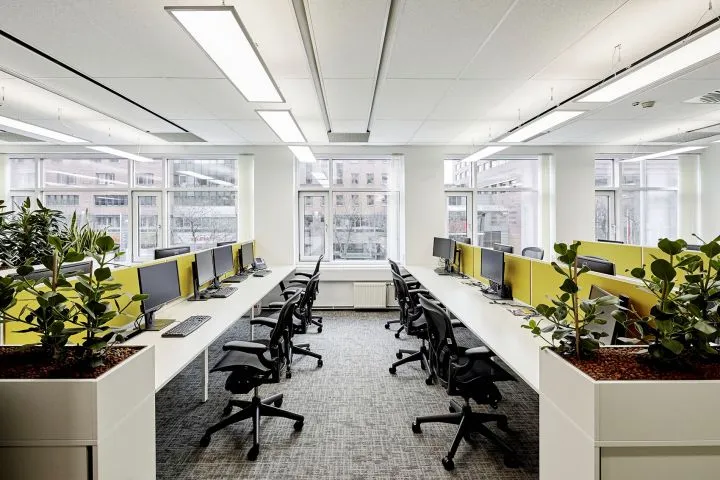
Cubicles have a way of eating up more time than anyone expects, mostly because each workstation is really a small assembly project made of panels, connectors, shelving, wiring, and accessories that all need to come apart in a specific order. Get that order wrong, or lose track of which panel belonged to which station, and the reassembly turns into a slow, frustrating puzzle right when employees are expecting to walk in and start working. Movers who handle a lot of office relocations tend to label components as they go rather than trusting memory, which sounds like a small habit but ends up saving hours once everything reaches the new floor.
Protecting Office Equipment During Transportation
Technology is usually the part of the move that keeps people up at night, and rightfully so. Computers, monitors, printers, servers, and any specialized equipment need attention from the second they are unplugged to the moment they are set back down in the new space. A good crew wraps and packs this gear with real care, not just because it is fragile but because losing a single cable or component can stall an entire department’s first day in the new office. It also helps enormously when a business flags anything unusual ahead of time, since a short conversation before the move can prevent a much longer one afterward.
The Details That Keep a Commercial Move Organized
What separates a smooth relocation from a chaotic one usually comes down to a handful of unglamorous habits that experienced movers stick to without fail, including:
- Building a full inventory of furniture and equipment before anything gets touched
- Labeling items by department, room, or intended placement rather than guessing later
- Matching tools and protective materials to the item, not using one method for everything
- Following the new office’s actual layout when placing furniture, instead of setting things down wherever there is room.
None of these steps look impressive on their own, but together they are usually the difference between employees settling in within a day and a company still hunting for missing chairs a week later.
Why Businesses Benefit From Experienced Commercial Movers
No two office moves look the same, and treating them as if they do is where a lot of relocations go sideways. A small office move has different demands than shifting an entire floor of workstations and equipment across town, and factors like building restrictions, elevator scheduling, and parking access can reshape the whole plan on short notice. A local commercial moving company that has navigated these situations before knows how to adjust on the fly rather than sticking rigidly to a plan that no longer fits the building it is working in. At All Around Moving Services, we see a commercial move as something bigger than transporting boxes and furniture from one address to another. It is about protecting a company’s workspace, minimizing downtime, and helping a business settle into a new location without losing its footing. That is why we lean on careful handling, real planning, and constant communication, because those are usually the details that decide whether a move feels controlled or completely out of hand.
Conclusion
At the end of the day, a successful office relocation comes down to preparation paired with genuine experience. Large furniture, cubicles, and equipment each demand their own kind of attention, and overlooking even one piece of that puzzle can slow the whole project down. When a firm has a reliable commercial moving company in NYC to work with, the business has the support it needs to get through complex transfers without the usual headaches. When it’s time to transfer your office, call us at All Around Moving Services and we’ll make a plan to keep your business going forward.
FAQs
-
How do commercial movers protect large office furniture during relocation?
Commercial movers use proper equipment, protective materials, and organized handling methods to prevent damage during transportation.
-
Do movers handle the disassembly and reassembly of office cubicles?
Yes, professional movers carefully label, disassemble, transport, and rebuild cubicles to match the original office layout.
-
How do commercial movers manage sensitive office equipment?
Movers use specialized packing techniques and careful transportation methods to protect computers, servers, and other valuable equipment.
-
Why should businesses hire a professional commercial moving company?
Professional movers help reduce downtime, manage complex logistics, and ensure office assets are relocated safely and efficiently.
-
How early should a business plan a commercial office move?
Businesses should start planning as early as possible to organize schedules, moving requirements, and workspace setup details.
We hope you found this blog post, How Commercial Movers Manage Large Office Furniture, Cubicles, and Equipment, useful. Be sure to check out our post, Cubicle Disassembly Guide: How to Move Office Cubicles Cheap and Easy, for more great tips!

Have Experience in the Moving Industry? Want an Additional Income Stream? Work With All Around Moving!
All Around Moving’s Work With Us program provides experienced moving consultants with the opportunity to run their own Relocation Consultant business from anywhere in the USA. In fact, we provide licensing, dedicated phone lines, and email hosting. Likewise, moving software for lead tracking, invoicing, and a complete setup. Click here to learn more.