Packing fragile stuff is genuinely one of the trickier parts of getting ready for a move. Glassware, dishes, mirrors, electronics, artwork, decorative pieces — all of it can get wrecked if it’s not packed right. And the risk only goes up on a long-distance move, where boxes might get shuffled around multiple times before they actually land where they’re supposed to.
The good news is a bit of careful prep heads off most of the common packing problems. Using the right materials, picking suitable boxes, distributing weight properly, and labeling everything clearly all go a long way toward keeping delicate belongings in one piece through the whole move.
Make a List of Fragile Belongings
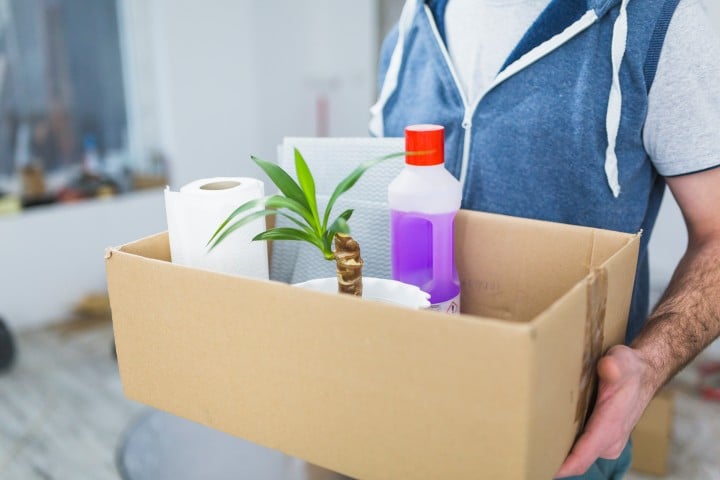
Before you even start packing, figure out which items actually need the extra protection. That’s usually drinking glasses, plates, ceramic decorations, picture frames, lamps, electronics, mirrors, collectibles, and certain kitchen appliances.
Making a list helps you figure out how much packing material you actually need. It also makes it a lot easier to keep track of the delicate stuff through loading and unpacking.
Really valuable or sentimental items deserve extra attention, too. Some irreplaceable stuff is honestly better off transported separately instead of tossed in with the regular household boxes.
Choose the Right Packing Materials
The quality and type of packing materials genuinely make a difference here. Strong cardboard boxes, bubble wrap, packing paper, foam sheets, and decent cushioning materials are what you want protecting fragile belongings.
Don’t lean on thin paper or loosely balled-up clothing as your only protection for delicate objects. Soft household stuff can add extra cushioning, sure, but it should supplement proper protective packaging, not replace it, especially for something genuinely fragile.
Boxes need to be strong enough to hold their contents without bending or collapsing on the drive over, too.
Wrap Items Individually
Fragile objects should generally get wrapped separately instead of just being tossed together with nothing between them. Wrapping each item individually keeps things from banging into each other every time the box moves.
Glassware and ceramics can handle a few layers of decent protective material. Corners and exposed edges need extra attention here, since those spots are the most vulnerable to impact.
For small decorative objects, wrapping each one before it goes in the box creates a real buffer between neighboring pieces.
Use Cushioning at the Bottom and Top
A pretty common packing mistake is just leaving space inside a box. Even wrapped items can shift around if nothing’s actually holding them in place.
Start with a cushioning layer at the bottom. Place the wrapped items in and fill whatever gaps are left with padding. Then add one more cushioning layer on top before sealing the box up.
The whole point is stopping the items from moving freely when the box gets lifted, carried, or stacked inside a vehicle.
Do Not Overload Boxes
Heavy boxes are just harder to handle, and they can put way too much pressure on whatever’s fragile inside. Instead of cramming a bunch of delicate objects into one big container, go with several smaller boxes instead.
Weight needs to be distributed carefully. Heavier items go at the bottom when that makes sense, while lighter, more delicate stuff sits above them with plenty of cushioning.
A box you can lift easily and that’s structurally sound is way safer to move than one that’s been packed way past what it can actually hold.
Pack Plates and Glasses Carefully
Kitchenware usually needs special attention, since a lot of it’s made from stuff that cracks or shatters pretty easily.
Plates generally do best wrapped individually and packed securely into a strong box. Glasses and cups should get separated with protective material too, so they’re not knocking into each other.
Fill any empty spaces with cushioning material. Once packed, gently shaking the closed box can tell you whether the contents are shifting around. Noticeable movement means the box probably needs more padding.
Protect Electronics From Impact
TVs, computers, monitors, cameras, and other electronics are pretty sensitive to impact and pressure. Original packaging’s worth using whenever you’ve still got it, since it was literally designed around the shape and size of the equipment.
No original packaging? Wrap the device carefully and place it in a suitably sized box with cushioning all around it. Cables and smaller accessories should get organized separately too, so they don’t scratch up screens or surfaces.
Electronics also need protection from moisture and extreme conditions during the actual transport.
Take Extra Care With Mirrors and Artwork
Big mirrors, framed pictures, and artwork can be a real headache to pack because of their size and how vulnerable the surfaces are. Protective wrapping should cover the main surface, and the corners need extra padding on top of that.
These pieces need appropriately sized packaging — don’t force them into boxes that are too small. Large or unusually shaped pieces might need specialized handling entirely.
Before the move, snapping photos of valuable artwork or framed objects gives you a useful record of their condition, just in case.
Check the Home’s Exterior Before Leaving
Packing’s only part of getting a property ready for a move. Before heading out, homeowners might also want to check outdoor areas — gutters, walkways, garages, exterior surfaces — especially if the property’s being sold or handed back to a landlord.
Routine exterior maintenance can often get scheduled separately from the actual move. Homeowners in Minnesota, for instance, might look into professional gutter cleaning Minneapolis services when the gutters need attention before a property changes hands. Keeping that stuff separate from packing means the maintenance work doesn’t get in the way of organizing fragile belongings.
Label Every Fragile Box Clearly
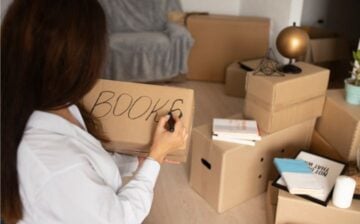
Clear labeling helps flag which boxes need careful handling. Labels like “Fragile,” “Glass,” or “Handle With Care” tell anyone touching the shipment that extra attention’s needed.
It also helps to note which side should stay upright if the contents have a specific orientation.
That said, labels should be treated as an extra precaution, not a substitute for actually packing things properly. Fragile belongings still need real internal protection regardless of what the label says.
Keep an Inventory
A detailed inventory genuinely makes fragile-item management easier. Each box can get a number, with a short description of what’s inside recorded separately.
Photos are worth adding to the inventory for anything particularly valuable or delicate. That documentation helps households remember what got packed and exactly where specific items ended up.
The inventory should stay accessible through the whole move, not get packed away inside one of the boxes itself.
Inspect Items After Arrival
Once belongings reach the new home, fragile items should get unpacked carefully. Avoid opening a bunch of boxes at once and leaving delicate stuff sitting somewhere it could get knocked over.
Check each item for visible damage before tossing the packing materials. If something looks damaged, hang onto photographs and whatever moving documentation’s relevant.
Packing fragile belongings safely comes down to patience more than speed, honestly. Pick the right materials, wrap items individually, cushion the empty spaces, distribute weight properly, and keep a clear inventory — that’s what makes transporting delicate possessions genuinely organized. Careful prep before moving day also makes unpacking a lot easier and cuts down on avoidable damage later.
We hope you found this blog post on How to Pack Fragile Items Safely When Moving useful. Be sure to check out our post on Tips for Moving With Delicate Items for more great tips!

Have Experience in the Moving Industry? Want an Additional Income Stream? Work With All Around Moving!
Earn a commission on all the moving jobs you book with us. Partner with All Around Moving, and we’ll help you profit. Profit as a moving consultant. Click here to learn more.