

In the spring, many homeowners go to check out their windows after a light rain and expect them to look fresher and cleaner. What they find is usually the opposite. The glass looks foggier, has more streaks, and in some ways appears even dirtier than before the rain began. If anyone has ever been curious as to why windows look worse in the spring, even after a rain, that is to blame is a mix of seasonal pollen, airborne dust, and mineral deposits.
Spring, and especially April, is the perfect time for grime to accumulate on glass. Although rain may appear to be a natural squeegee, what it in fact does is mix with what is already present in the air and, in turn, leaves behind a deposit of residue. That which is happening can be understood by homeowners to tell them when they should move past using weather as a cleaning report and get into a proper maintenance routine.
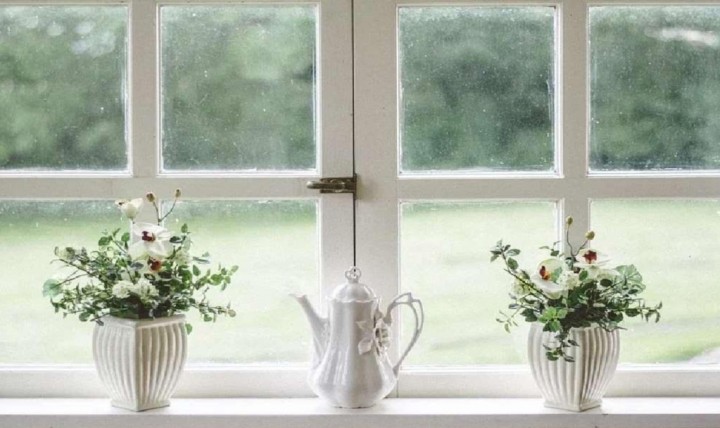
Why Spring Rain Makes Windows Look Dirtier
Rain in itself is a rare issue. What homeowners have is pure water that is able to wash away loose debris. But spring rain is to a great degree, the exception that falls on their windows. As raindrops travel the atmospheric path, they pick up pollen, dust, pollution, and very small organic particles. Upon contact with the glass, the water may go up into the air, but what is left behind are the impurities.
Instead, in the act of washing windows, out goes rain, which instead spreads grime all over the surface. Once it dries, this in turn produces a hazy film or else leaves outstanding spots, which in turn worsen the glare from the sun and in turn make the home look less clean.
This issue is very much in evidence in spring, which sees an increase in airborne debris, which at other times of the year is not seen to the same degree.
The Role of Pollen in Cloudy Windows
In the springtime, homeowners see the worst of it in terms of window appearance, which is due to pollen. In April, trees, grass, flowers, and other plants put out large quantities of pollen into the air. That which is either yellow or green in color travels easily on the wind and deposits itself almost anywhere.
Glass is especially prone, as it presents a smooth surface that pollen likes to settle on. Morning dew, morning fog, or light rain produces the moisture that almost acts like glue, and it is this that causes pollen grains to bind to the window.
In the rain, pollen that has settled on glass turns into a thin paste. As the water dries, it leaves behind marks, which in turn are much more noticeable than the original dust layer. This is what causes windows to suddenly look dull after a rainy spring day.
Dust and Airborne Debris Build Up Faster in April
April also brings out the strong winds, landscaping activity, and dry-to-wet weather, which in turn stir up the soil, road dust, construction debris, and plant material. It may be that the neighborhood appears to be a picture of health, but at all times, very small airborne particles are in the air.
These particles fall every day on windows. In spring, as the weather changes so rapidly, the buildup cycle of these issues goes up:
- Wind deposits dust on the glass
- Moisture helps it stick.
- Rain spreads it into streaks.
- Sunlight highlights every mark
As the sun’s angle changes with the rise of day and the length of daylight, it puts into relief dust and grime on windows. Also, as the sun moves higher and spends more time in the sky, it causes a buildup of haze, water spots, and pollen, which is seen on glass.
Mineral Residue from Rainwater and Sprinklers
Another big issue of clean spring appearance is mineral deposits. Rain and sprinkler water, which is heavy in dissolved minerals like calcium and magnesium, often is the cause. As the water dries up, these minerals leave behind white or cloudy spots on the glass.
Over time, what homeowners have is a gradual buildup, which then forms a persistent film. What is seen is a large issue in areas that have hard water. Homeowners tend to mistake this for ordinary dirt, which it isn’t. It won’t be able to get rid of it with just water from the rain.
Instead, with each new rainfall, which deposits another fine layer of minerals, the condition of the glass deteriorates weekly.
Why This Is More Noticeable in Spring Than Other Seasons
Spring brings out the worst in dirty windows more than in winter or summer:
- High pollen levels from trees and plants
- Frequent light rain, which deposits instead of washing away
- Extended daylight, which brings out haze and streaks
- More wind and outdoor activity, which increases dust in the air
- Changes in humidity, which cause particles to stick to glass
At the same time, all of this transpires. April is the month in which homeowners report having foggy windows.
How Professional Window Cleaning Solves the Problem
It is a fact that rain does not remove bonded pollen, mineral stains, or oil from glass. What it does is shift surface dust around. Only professional cleaning, which uses the right tools, purified water, and streak-free techniques, removes the actual buildup.
Experienced cleaners use formulations that remove pollen film, free up dust, and remove mineral deposits without damaging the glass at all. Also, they clean window frames, tracks, and edges that tend to collect debris, which in turn washes back onto the glass during the next rain.
For homeowners searching for local window cleaners near Arvada, CO, professional service is the most effective way to restore clarity as well as keep windows looking bright throughout spring.
Final Thoughts
In spring, when windows look worse after rain, that’s no product of imagination. Outdoorsy pollen, airborne dust, and mineral-rich water all play a role in leaving behind what regular rain can’t remove.
Spring rain, which does good for lawns, may at the same time put glasses’ polish to the test and fail it. The good news is that this is an issue that can totally be avoided with professional care. By removing that which builds up in April, homes may in fact brighten, increase appeal, and enjoy a practically spot-free season all along.
We hope you found this blog post on Why Your Windows Look Worse in Spring (Even After It Rains), useful. Be sure to check out our post on Know About Cleaning Windows In High-Rise Buildings for more great tips!

Have Experience in the Moving Industry? Want an Additional Income Stream? Work With All Around Moving!
If you are interested in applying your skills in this moving and shipping industry, check out our program to earn extra income. Partner with us, All Around Moving, and we’ll help you make extra money. Click here to learn more.