Moving to a new home is exciting, but getting everything there in one piece takes careful planning. Fragile glassware, valuable electronics, furniture and everyday essentials all need the right level of protection. Without it, things get scratched, chipped or broken. Plenty of people have opened a box in their new kitchen to find a favorite mug in pieces.
The good news is that a few practical packing strategies make the process more organized and lower the risk of damage. Whether the move is across town or to another state, the same tips help make it safer and smoother. A little effort early saves a lot of sweeping up later.

Start Packing Early and Create a Plan
One of the best ways to protect belongings is simply not leaving everything until the last minute. Rushing leads to badly packed boxes, misplaced items, and needless stress. Anyone who has thrown cutlery, shoes, and a houseplant into one box at midnight knows how that ends.
A good start is a packing schedule drawn up several weeks before moving day, with the home split into sections such as bedrooms, the kitchen, bathrooms, and living areas. Items that rarely get used go first, including seasonal clothing, decorative pieces, books, and spare linens.
A checklist of packed boxes and what’s inside each one makes a real difference. A good plan also leaves time to buy proper supplies, rather than wrapping a crystal vase in a tea towel because the bubble wrap ran out.
-
Choose the Right Packing Materials
The proper packing materials will go a long way in preventing damage. Boxes that are too weak or too big can collapse, and a lack of padding allows items to move around in transit.
Ensure you have lots of strong cardboard boxes in a range of sizes, packing tape, bubble wrap, packing paper, and protective padding. Small boxes are better for heavier items like books, and larger boxes are better for lightweight stuff like pillows and blankets. A large box of books is a sore back waiting to happen.
Fragile items need materials that absorb shocks and keep items from touching each other. Speciality boxes. Dish packs and wardrobe boxes are speciality boxes that provide extra protection for specific items. They come on their hangers, not all bunched up in a bin bag.
Any boxes that are damaged or damp should be left out, as they can buckle under pressure. A box that’s been sitting in a damp garage for a week won’t last. Each must be clean, dry, and strong enough for what it carries.
-
Pack Fragile Items with Extra Care
Glassware, dishes, mirrors, ceramics, and decorative objects all need special attention. They can break easily if they knock against one another or get jolted on the road. One sharp turn is sometimes all it takes.
Each fragile item is best wrapped individually in packing paper or bubble wrap, with cushioning laid in the bottom of the box first. Plates travel better standing upright than stacked flat, much like they sit in a dish rack, because pressure spreads more evenly.
Empty gaps can be filled with crumpled packing paper or other suitable cushioning. That stops objects from shifting when boxes are lifted or carried. If a box rattles when it’s gently shaken, it isn’t finished yet.
These boxes need a clear “Fragile” label, along with an arrow showing which side faces upward where it matters. Labels help movers handle delicate contents gently, although careful packing inside still does most of the work. A sticker can’t stop a glass from rolling around.
-
Protect Furniture Before Transportation
Unprepared furniture picks up scratches and dents surprisingly easily. Large pieces are also awkward in narrow hallways, doorways and staircases, as anyone who has wedged a sofa halfway up a stairwell will remember.
Beds, tables and shelving units are easier to move once taken apart according to the manufacturer’s instructions. Screws, bolts and other small hardware can go into labelled bags, fixed securely to the matching furniture or kept together in a clearly marked container. It saves a frantic hunt for one tiny bolt on the first night.
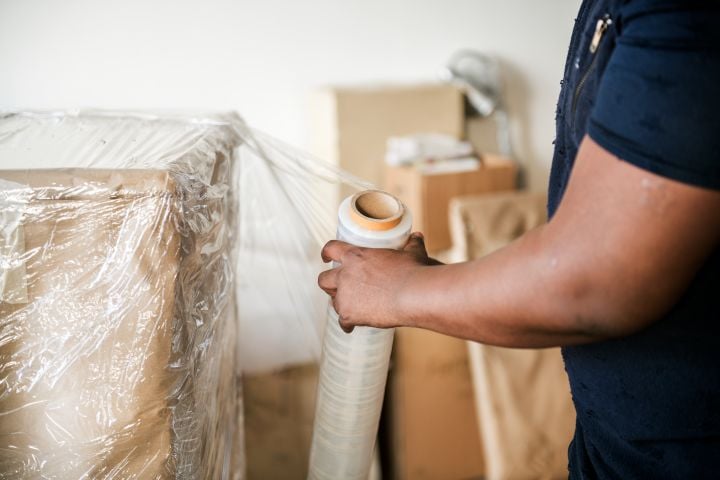
Sofas, mattresses and upholstered chairs benefit from proper furniture covers that keep out dust, moisture and dirt. Moving blankets shield wooden surfaces, glass tabletops and other vulnerable areas. A dining table can be scuffed in seconds against a door frame.
Measuring doorways and hallways beforehand confirms that each large piece will fit through. It’s a two-minute job with a tape measure. These precautions cut the chance of accidental damage during loading and unloading.
-
Pack Electronics and Appliances Safely
Televisions, computers, gaming systems, and other electronics are sensitive to knocks, pressure, and careless handling. Protecting them starts with careful preparation, which is far cheaper than replacing a cracked screen.
Original packaging is the best choice when it’s still around, since it’s made to fit and cushion the device. Those boxes gathering dust on top of the wardrobe finally earn their place. Otherwise, a sturdy box with plenty of protective padding does the job. Screens need protective covering, and nothing heavy belongs on top of electronic equipment.
Cables, chargers and accessories come off before packing and go into labelled bags, so they’re easy to identify when it’s time to unpack. A quick photo of complicated cable connections before disconnecting them makes setting everything up again much simpler.
For refrigerators, washing machines and other major appliances, the manufacturer’s preparation instructions come first. Some appliances need cleaning, drying, or securing moving parts before they travel. A washing machine with water still sloshing inside is not a pleasant surprise for anyone. Electronics and appliances also need protecting from moisture throughout the move.
-
Avoid Overloading Boxes
Overpacked boxes are hard to lift and can split open in transit. They’re also a safety risk for whoever has to carry them.
Weight works best when it’s spread evenly, with heavier items at the bottom of each box and lighter ones on top. A cast-iron pan and a set of wine glasses don’t belong in the same box.
Books and other dense items are better off in smaller boxes, with larger boxes saved for lightweight household goods. Once a box is full, it can be sealed firmly with packing tape and given a gentle tilt to check whether anything moves too much. A little shifting is fine. A lot of it isn’t.
If a box feels too heavy to lift comfortably, splitting the contents between two boxes makes sense. Two manageable boxes beat one that needs three people and plenty of groaning.
-
Label Every Box Clearly
Good labelling saves time on the road and while unpacking. Without it, boxes end up in the wrong rooms or get handled the wrong way. It’s how bath towels end up in the garage for a fortnight.
The destination room and a short description of the contents belong on at least two sides of each box. A label might read “Kitchen – Glassware” or “Bedroom – Winter Clothing.” Labels stay readable even when boxes are stacked against a wall.
Fragile items need extra warnings, and boxes of essentials needed straight away deserve a clear mark too. An inventory list is useful when valuable or numerous belongings are being transported.
A simple color-coding system for different rooms also works well. Blue might mean kitchen and green the bedroom, so movers can see where each box belongs without stopping to ask every few minutes.
-
Keep Valuable and Essential Items Separate
Important documents, jewellery, medications, personal electronics and irreplaceable belongings deserve extra attention, and they’re safer together in a separate bag or secure container than in general moving boxes. A passport packed under a pile of books can make for a very long evening.
Identification documents, financial records, keys, chargers, and necessary medications are best carried personally where practical. Valuable possessions need handling according to their own storage and transportation requirements. Some things aren’t worth trusting to the back of a van.
It’s also wise to prepare an essentials box with toiletries, basic cleaning supplies, a change of clothes, towels, snacks and anything else needed on the first day in the new home. After a long day, finding the kettle and a toothbrush without opening twenty boxes feels like a small luxury.
Keeping these within easy reach avoids pointless searching and makes settling in much easier. The first night feels like home a little sooner.
-
Consider Professional Moving Assistance
Plenty of people prefer to pack on their own, but professional moving assistance can be a real help with bulky furniture, fragile belongings or a large household relocation.
Experienced movers can supply suitable packing materials, specialized boxes, protective wrapping, and equipment for heavy items. They also take much of the physical strain out of loading and unloading. A job that eats a whole Saturday for tired friends can take a trained crew a few hours.
Before choosing a moving company, it pays to ask about packing services, transportation procedures, insurance or valuation options, and how fragile or high-value possessions are handled. The terms show what protection is on offer and where it stops. Better to learn that before a mirror cracks than after.
Picking services that match a household’s needs makes the whole relocation more manageable. A studio flat and a five-bedroom house rarely need the same help.
-
Pack Seasonal Decorations and Holiday Lights Carefully
Seasonal decorations, including holiday lights, ornaments, and outdoor lighting accessories, need careful packing to stop tangling and breakage. Holiday lights are best unplugged, checked for damaged wires, and wrapped strand by strand before storing. Anyone who has spent an hour untangling lights in December will see the point. Labelled containers protect delicate ornaments and make seasonal decorations easier to find when the time comes.
For households planning holiday decorations at a new home, professional holiday light installation in Eugene with warm white lights can create a welcoming and attractive outdoor display. Warm white lighting suits many architectural styles and brings a cosy glow to holiday gatherings, the kind that makes neighbours slow down on their evening walk. Planning seasonal decorations ahead of time helps people settle into a new home while keeping belongings organised and protected.
Conclusion
Packing and protecting belongings during a move comes down to preparation, the right materials and attention to detail. Starting early, wrapping fragile objects, securing furniture, protecting electronics and labelling boxes clearly cut out many common moving problems. Most broken plates come from a rushed evening, not bad luck.
Spreading weight properly, keeping essentials within reach and bringing in professional help for especially heavy or delicate items matter just as much. Looking after seasonal decorations and planning outdoor lighting also helps a new house feel comfortable and inviting sooner.
With these strategies, the next relocation can be more organized, and belongings stand a better chance of arriving in good condition. A thoughtful packing process protects possessions, but it also protects people’s patience. Moving day will always be busy. It doesn’t have to be stressful.
We hope you found this blog post on Top Tips for Packing and Protecting Your Belongings During a Move useful. Be sure to check out our post on Protecting Belongings and Homes from Unwanted Guests for more great tips!

Have Experience in the Moving Industry? Want an Additional Income Stream? Work With All Around Moving!
If you want to use your skills as a relocation consultant, check out our program to earn extra income. Partner with All Around Moving, and we’ll help you earn more. Click here to learn more.