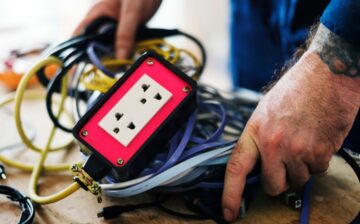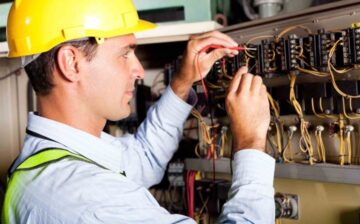

When people think of an electrician, they often picture someone fixing a power outage or installing a light. While that’s part of the job, electricians handle a much wider range of tasks that keep homes and businesses safe, functional, and compliant with regulations.
Here’s a clear breakdown of what electricians actually do and when you might need one.
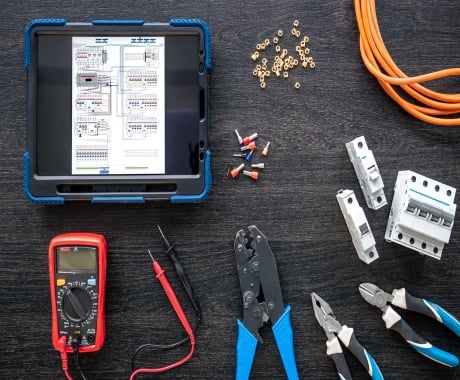
Electrical Installation
One of the main roles of an electrician is to install electrical systems.
This Includes:
- Wiring new homes or buildings
- Installing power points and switches
- Setting up lighting systems
- Connecting appliances
Proper installation ensures everything runs safely and efficiently from the start.
Fault Finding and Repairs
Electrical issues can be difficult to diagnose without the right expertise.
Common Problems:
- Power outages or tripping circuits
- Faulty wiring
- Non-working outlets or switches
An electrician can identify the cause and carry out safe repairs.
Switchboard Upgrades
Older switchboards may not meet modern electrical demands.
Why Upgrades Are Needed:
- Increased load from modern appliances
- Improved safety standards
- Replacement of outdated components
Upgrading your switchboard helps prevent overloads and electrical hazards.
Lighting Installation and Design
Lighting is both functional and aesthetic.
Services Include:
- Indoor and outdoor lighting installation
- LED upgrades
- Feature and ambient lighting
An electrician can help improve both efficiency and appearance.
Safety Inspections
Regular inspections help identify potential risks.
What’s Checked:
- Wiring condition
- Compliance with current standards
- Safety devices like RCDs (safety switches)
These inspections are especially important for older properties.
Data and Communication Cabling
Modern homes rely on more than just power.
Electricians Can Install:
- Data points and network cabling
- Phone and communication lines
- Home office setups
This ensures reliable connectivity throughout your property.
Appliance Installation
Many appliances require professional installation.
Examples:
- Ovens and cooktops
- Air conditioning systems
- Hot water systems (electric)
Incorrect installation can be dangerous, so it’s best handled by a qualified electrician.
Emergency Electrical Services
Electrical issues don’t always happen during business hours.
Emergency Services Cover:
- Power outages
- Electrical faults
- Safety hazards
An emergency electrician can respond quickly to urgent situations.
Energy Efficiency Upgrades
Electricians can help reduce energy usage and costs.
Options Include:
- LED lighting upgrades
- Energy-efficient systems
- Smart home solutions
These upgrades can lower electricity bills over time.
Compliance and Regulations
Electrical work must meet strict standards.
Electricians Ensure:
- Work complies with Australian regulations
- Proper certification is provided
- Safety requirements are met
This is essential for both legal and safety reasons.
When Should You Call an Electrician?
You should contact an electrician if:
- You experience frequent power issues
- You’re installing or upgrading electrical systems
- You notice burning smells or sparks
- You’re unsure about electrical safety
Electrical work should never be attempted without proper training.
Final Thoughts
An electrician does far more than just fix faults; they play a key role in installing, maintaining, and improving electrical systems in your home or business. From lighting and wiring to safety inspections and upgrades, their work ensures everything runs safely and efficiently.
We hope you found this blog post on Electrician Services: What Do Electricians Actually Do? useful. Be sure to check out our post Have a Home Electrical Inspection Performed for more great tips!

Have Experience in the Moving Industry? Want an Additional Income Stream? Work With All Around Moving!
Unique opportunity to earn extra income and apply your knowledge and expertise in the moving industry. Partner with us, All Around Moving Services Company, Inc., and we’ll help you make money. Click here to learn more.