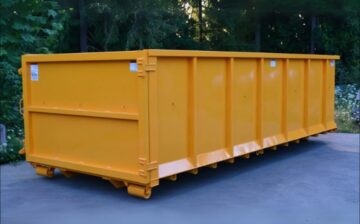

Whether you’re clearing out a garage, remodeling a kitchen, or managing a construction site, dumpster rentals are often the simplest way to keep debris under control. However, one of the most common questions people ask before scheduling service is: How much will it cost?
The truth is, dumpster rental cost can vary widely depending on your project type, location, the dumpster size you choose, and what you plan to throw away. This guide breaks down the factors that influence dumpster rental prices and helps you estimate a realistic budget so you can avoid surprises.

Average Dumpster Rental Cost: What to Expect
Most customers find that dumpster rentals fall into a predictable range, but there isn’t a single universal rate. For many residential projects, pricing commonly depends on the dumpster size and how long you need it.
Generally speaking, smaller dumpsters used for light cleanouts are less expensive than large roll-off containers used for construction and demolition. For example, a small rental for a weekend cleanout may cost substantially less than a large container designed for roofing debris or heavy material disposal.
That said, it’s important to note that the dumpster rental price is rarely based on size alone. Many companies factor in weight limits, landfill tipping fees, delivery distance, and local regulations.
Key Factors That Impact Dumpster Rental Price
Understanding what goes into the final bill can help you compare quotes accurately. Here are the main cost drivers:
1. Dumpster Size
The most common sizes for dumpster rentals include 10-yard, 15-yard, 20-yard, 30-yard, and 40-yard containers. A larger dumpster typically has a higher base price because it holds more volume and can carry more debris.
If you choose a dumpster that’s too small, you risk needing a second haul—which can increase your overall dumpster rental cost. Picking the right size from the start is one of the easiest ways to stay on budget.
2. Rental Period
Most services include a standard rental period, such as several days up to a week. Keeping the container longer than the included timeframe may result in a daily extension fee.
If your project schedule is unpredictable, it helps to ask about flexible rental terms upfront.
3. Weight Limits and Landfill Fees
Weight is one of the biggest variables in dumpster rental price. Many rental agreements include a weight allowance, with additional charges if you exceed it. Heavy materials like concrete, bricks, roofing shingles, dirt, or wet debris can add weight quickly.
Landfill disposal fees—also called tipping fees—can vary by region and facility. These fees are often built into the base price, but overages can increase the total dumpster rental cost.
4. Type of Debris
Not all waste is priced equally. Household junk is usually straightforward, but certain materials may require special handling or separate disposal. Items like mattresses, appliances, tires, paint, chemicals, and electronics often come with additional fees or restrictions.
To avoid unexpected charges, it’s smart to ask for a list of prohibited items before loading your dumpster.
5. Local Permits and Placement
If the dumpster will be placed on a public street or sidewalk, you may need a permit, depending on your city or county. Permit fees are not always included in the base rental price, so this can impact your total dumpster rental cost.
Placing the dumpster on your own driveway is often the easiest way to avoid permit complications, but not every property layout allows for that.
How to Save Money on Dumpster Rentals Without Cutting Corners
If you want to keep your dumpster rental price as low as possible, here are a few practical tips:
- Choose the right size: Avoid paying for extra hauls by selecting a container that fits your debris estimate.
- Keep heavy materials separate: Some companies offer special pricing for concrete or dirt-only dumpsters.
- Don’t exceed weight limits: Spread debris evenly and avoid tossing in materials that add unnecessary weight.
- Load efficiently: Break down bulky items to maximize space.
- Ask for transparent pricing: Look for quotes that clearly explain what’s included (delivery, pickup, disposal, weight allowance, and rental length).
Residential vs. Commercial Dumpster Rental Costs
For homeowners, dumpster rentals are commonly used for cleanouts, landscaping, remodeling, or moving. These projects typically involve lighter debris and smaller containers, which may keep costs more predictable.
For contractors and commercial sites, dumpsters are often larger and filled with dense materials, making weight-based costs more important. Businesses may also require ongoing service schedules or multiple swaps, which can affect overall pricing.
In both cases, a reliable rental provider can help you match the dumpster size and service level to your needs so you don’t overspend.
Final Thoughts: Getting an Accurate Dumpster Rental Quote
When researching dumpster rentals, it’s best to request quotes with your project details ready, including:
- approximate debris type
- estimated volume
- timeline
- placement location (driveway vs. street)
A reputable company should be able to explain pricing clearly and help you avoid common pitfalls that lead to overage fees.
By understanding how dumpster rental cost is calculated and what impacts dumpster rental price, you’ll be better prepared to select the right container and complete your project efficiently.
We hope you found this blog post on How Much Do Dumpster Rentals Cost? useful. Be sure to check out our post on What is Commercial Dumpster Rental? for more great tips!

Have Experience in the Moving Industry? Want an Additional Income Stream? Work With All Around Moving!
Partner with us, All Around Moving Services, by establishing your own moving consultant business. Click here to learn more.