A cleaned living room is supposed to have a neutral smell, which may also present as fresh. When odor persists or returns shortly after cleaning, it is frustrating and confusing for many homeowners who think the cleaning was done poorly. In actuality, what is seen is that lasting scents come from what is out of sight, which the average cleaning doesn’t always access. Identifying the source of these smells is the first step to their permanent removal.

Why Cleaning Doesn’t Always Remove Odors Completely
Surface cleaning does what is doable to remove dirt, dust, and stains that are seen. But many odor-causing elements go deeper into materials like carpet fibers, padding, and even the subfloor, which they can’t see.
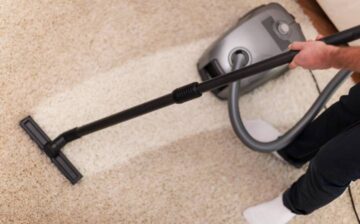
Carpet is a type of filter. As time goes by, they collect particles like food residue, oil, pet dander, and moisture. Also, after vacuuming or professional cleaning, some of that material remains in the carpet, which in turn releases odor into the air.
Hidden Moisture in Carpet Padding
In many cases, what is seen of persistent smells is due to moisture that has been trapped at the carpet’s base. Also, small spills may find their way through the carpet’s fibers and into the padding below.
When full extraction does not take place, it sets the stage for the following:
- Musty odors
- Mold or mildew growth
- Persistent odors from water damage that come back after you clean up
The issue is that you may find the top of the carpet dry, while at the same time, the padding is still wet for days, if not weeks.
Pet Dander and Urine in Fibers
In many cases, homes that have pets report to have reoccurring odors despite very thorough cleanings. This is because what pets leave behind is not just a surface issue.
Pet dander, oils, and especially urine get into the deep layers of carpet. Over time, urine deposits can form, which recur when humidity goes up. That is why a room may at first smell fine but then develop a strong odor in the late afternoon.
Even at the point when the mark is gone, the smell-causing elements may still be present.
Spills That Were Never Fully Extracted
Not all spills clean the same. In the case of drinks like juice, coffee, or soda, they in fact go in and out of the carpet at will. Also, if the extraction process doesn’t get it all out of the material, then residue is left behind.
As over time those residues break down, they produce sour, sticky, or fermented scents, which in turn become more noticeable in warm and humid weather.
Common overlooked spills include:
- Sugary drinks
- Cooking oils
- Milk or dairy products
- Food-based liquids
Even minor spills will produce lasting smells if they are not fully removed.
Dust, Dander, and Everyday Build-Up
In homes that do not have pets or spill issues at all, the development of odors from routine living is seen. Dust, skin cells, and airborne particles, over time, settle into the carpets and upholstery.
Over time, what is seen is that these materials accumulate moisture, which in turn produces a musty or “old room” smell. This is a particular issue in areas of low ventilation or heavy foot traffic.
Step-by-Step Guide to Diagnosing the Smell
In large rooms that still have a smell after you clean them out, a methodical approach is what you need to determine the source of the smell.
Identify what kind of smell
First off, what type of smell is present?
- Musty: Usually moisture- or mold-related
- Sour: Usually, what is seen are food or organic spills.
- Ammonia-like: Commonly pet urine
- Stale: Dust and grime build up
Identify the Area
Close off air passages and keep to a section of the room at a time, which helps to identify the source of the smell.
Check out the carpet and pad.
Push in on various carpet sections. If at any point an area feels a bit wet or has a stronger smell upon pressing, the issue may be from beneath.
Raise Corners If Possible
If possible, gently raise a corner of the carpet, which will help to identify any trapped moisture or discoloration in the padding.
Use the dew point as a guide.
Higher moisture levels tend to amplify hidden smells. If the smell gets worse on humid days, that is an indication of moisture.
Watch Airflow Patterns
Poor air circulation will hold in scents in some rooms. In corners and at the edges of heavy furniture, smells will stick out more.
Common Hidden Sources Most People Miss
Even after cleaning out some not-so-obvious causes, the smell may persist:
Carpet Padding Breakdown
Over time, what is put in the padding causes it to lose its drying properties. Once padding is saturated to a certain degree, it becomes a long-term odor issue.
Subfloor Absorption
In some serious cases, liquids will go right through the carpet to the subfloor. Wood and concrete may also take in and hold odors if they are not properly treated.
Mold Growth Beneath Surfaces
Hidden mold that grows under carpets or along baseboards may not be visible. Also, it is known to cause a continuous musty odor.
Air Circulation Issues
In poorly ventilated rooms, odor particles settle out.
When Cleaning Isn’t Enough
Standard vacuuming and shampooing do better for surface soiling but may not have an impact on ineradicable odors; in fact, that’s at the core or the bottom of the issue. If what is being dealt with is padding, subfloor layers, or long-standing contamination, then more extensive measures must be used.
In that which does happen, homeowners tend to go for professional-grade solutions. Services such as the best carpet cleaning services in Bothell, WA, are typically used when odors are located embedded below the surface, and standard cleaning methods are no longer effective.
These sorts of deep cleaning methods go after what’s under the surface and out of the deeper carpet layers, which is what is being referred to instead of just the top visible layer.
Prevention: Preventing odors from returning
Once out of the smell’s presence, that is key:
- Wipe up spills as soon as they are seen
- Proper ventilation is key, especially in humid conditions.
- Vacuum regularly to reduce buildup
- Address pet accidents quickly and thoroughly
- Avoid over-wetting carpets during cleaning
Humidity control is a must, as moisture is the primary cause of that which reoccurs in smell.
Final Thoughts
A home that still has a smell after it is cleaned out is not a sign of poor work; it is that there is a deeper issue at play. From water that is trapped in the structure and pet waste very deep in the carpet, and issues with air flow, what is smelled often comes from areas that do not get cleaned as a matter of routine.
Through a process of elimination, it is possible to determine what the base issue is at each step. Once the root of the problem is found out, then the proper solution can be applied, which in turn will restore the home’s freshness and comfort.
We hope you found this blog post on Why Your Living Room Still Smells After Cleaning It, useful. Be sure to check out our post on Transition Your Home’s Area Rugs When Moving To A New City for more great tips!

Have Experience in the Moving Industry? Want an Additional Income Stream? Work With All Around Moving!
All Around Moving’s program provides the moving consultants with the opportunity to run a Moving Consultant business from anywhere possible.
There is a minimum monthly recurring expense, and the cost of the leads you want to work on (local, long distance, etc.). We share profits with you 50%-50% from all jobs you book with us. Click here to learn more.