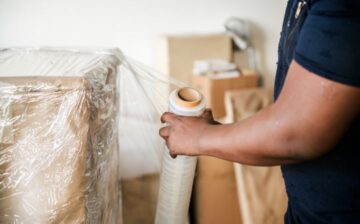

A fresh start in a new city is exciting, but getting a whole household there safely takes real planning. A long-haul move isn’t like a hop across town. Belongings spend longer on the road, pass through more hands and may face rain, heat or cold along the way. Without the right preparation, furniture, electronics and delicate pieces can arrive chipped, scratched or broken. Tom and Grace discovered this when they moved from Bristol to Edinburgh and found their favorite lamp in three pieces.
Smart packing and storage choices can keep treasured things safe and make the whole move far more orderly. Picking the right materials, preparing items properly, and knowing what storage is available all help cut out needless stress.
Create a Detailed Packing Plan
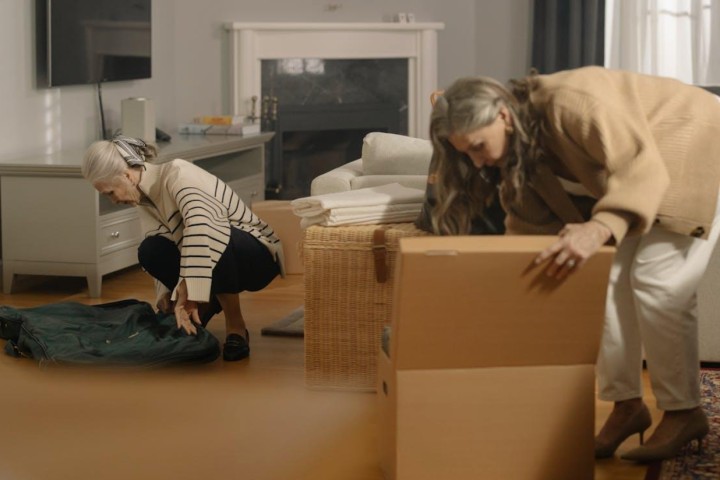
A sensible timetable is the foundation of any long-distance move. Cramming all the packing into one frantic weekend rarely ends well, so splitting it into smaller jobs makes far more sense. Rarely used items make a good starting point, such as winter coats, ornaments, books and spare household bits.
A full inventory of everything being moved is worth its weight in gold. It helps estimate how many boxes will be needed and flags items that call for special care. It also lets the household tick everything off once the van is unloaded at the other end. Tom and Grace kept theirs on a phone and checked each box as it came through the door.
Sorting belongings by room keeps things tidy too. Labelling every box with what’s inside and where it’s going makes unpacking far quicker.
Choose Quality Packing Materials
The packing supplies matter more than most people think. Flimsy boxes can buckle under weight, and thin padding lets items rattle about on the road. A box that sags after one lift is not one to trust for three hundred miles.
Strong cardboard boxes suit everyday belongings, while reinforced crates handle heavier loads. Bubble wrap, packing paper, foam sheets and thick blankets add extra cushioning for anything delicate. A few extra metres of bubble wrap are far cheaper than a new set of wine glasses.
Empty gaps inside boxes are an open invitation for things to shift. Stuffing them with paper or padding keeps everything snug. Overpacking causes its own problems, though, as a box that’s too heavy is hard and unsafe to lift.
For especially precious or fragile items, purpose-made packaging can give that extra layer of protection.
Protect Furniture Before Transportation
Big furniture takes a battering on moving day. It gets bumped, rubbed, and jostled while being loaded and unloaded.
Beds, dining tables, shelving units, and other pieces that come apart are far easier to move in sections. Screws, bolts, and fittings belong together in clearly labelled bags. Taping each bag firmly to its matching piece, or keeping them all in one dedicated box, saves frantic searching later. Grace taped the bed bolts to the headboard, and that small trick saved an evening of hunting.
Moving blankets or protective wraps help prevent scratches and scuffs. Corners and edges need extra care because they take the most knocks on the journey.
Wooden furniture dislikes damp and extreme temperatures. Covering it properly helps it arrive in the same condition it left. A warped tabletop is a sad sight in a brand-new kitchen.
Give Fragile Items Extra Attention
Delicate things need extra thought. Glassware, mirrors, ceramic ornaments, artwork, and electronics all call for more care than ordinary household goods.
Each glass item deserves its own wrapping in paper or bubble wrap. Heavier pieces belong at the bottom of a box, with lighter ones on top. Dividers stop glasses and plates from knocking together. The faint clink of glass on glass in a moving van is a sound nobody wants to hear.
Mirrors and framed pictures benefit from corner guards and stiff, rigid packaging. Marking boxes clearly as fragile also reminds handlers to go gently.
Electronics travel best in their original boxes where possible. If those are long gone, a box of the right size with plenty of padding does the job. Keeping cables, accessories, and manuals together avoids confusion when it’s time to plug everything back in. A bag of tangled leads can turn a simple TV set-up into an hour-long puzzle.
Understand the Benefits of Storage Solutions
Timing doesn’t always line up. Sometimes the old home has to be handed back before the new one is ready, and temporary storage can bridge that awkward gap. Tom and Grace spent two weeks in a rented flat while their new house was finished.
Storage units let belongings sit safely in their own space until they can head to the new property. They’re especially handy during renovations, delayed house sales or more complicated moves.
Before choosing a facility, it pays to weigh up security, ease of access, cleanliness, price and the terms of the contract. Climate-controlled units can help protect items that dislike swings in temperature or humidity, such as wooden furniture, paperwork and some electronics. A damp unit can quietly ruin a box of family photographs.
For longer stays, it’s worth checking how the facility protects its contents and whether extra insurance is needed.
Prepare Your New Home Before Unpacking
Getting the new property ready before unpacking makes settling in far more comfortable. Checking floors, walls, plumbing and electrics before furniture goes into each room can head off nasty surprises. A dripping pipe is much easier to fix in an empty room.
Anyone planning to upgrade their floors may want materials that suit busy everyday life. Waterproof hybrid rigid core flooring, for instance, is well worth a look in rooms where resistance to moisture, toughness and easy cleaning matter most. Its sturdy build can make it a good fit for hard-working spaces such as kitchens and hallways, though careful subfloor preparation and proper fitting are still vital. A family with muddy-pawed dogs may find it a real blessing.
Any flooring or renovation work is best finished before heavy furniture arrives. That avoids shifting things back and forth and makes knocks and scrapes far less likely. It also leaves time to inspect the new surfaces before rugs, cabinets and other heavy pieces go down. Nobody wants to drag a wardrobe across a freshly laid floor.
Choose a Reliable Moving Company
A good removal firm can make a long-haul move far easier, especially with heavy furniture, delicate pieces and a tight timetable.
Collecting detailed written quotes from several firms is a sensible first step. Comparing what each one includes, how the goods will travel, delivery dates and insurance options gives a much clearer picture. The cheapest quote isn’t always the best value.
It also helps to ask whether a firm offers packing help, furniture dismantling, short-term storage and special handling for fragile items. Knowing how the company deals with damaged or missing belongings matters too.
Online reviews and a look at a firm’s trade memberships help households choose wisely. A few minutes of research can save weeks of headaches.
Keep Essential Belongings Accessible
Some things belong with the family, not in the van. A separate bag with clothes, toiletries, medicines, chargers, important papers and basic household supplies is a lifesaver. Tom packed the kettle and a box of teabags in the car boot, and Grace still calls it his best idea of the whole move.
This matters most when the journey takes several days, or the van turns up later than planned. A delayed delivery feels far less dramatic with a toothbrush to hand.
Having the basics within easy reach lets families carry on with daily life without tearing open every box at once.
Final Thoughts
Keeping belongings safe on a long-distance move takes far more than throwing everything into boxes. Careful planning, good packing supplies, proper furniture protection and dependable storage all play their part in a smooth move.
By organising possessions ahead of moving day and choosing the right transport and storage services, households can keep breakages to a minimum and dodge needless hassle. A little care goes a long way towards feeling at home quickly, with everything arriving safe and ready to use. Tom and Grace’s second lamp made it to Edinburgh without a scratch.
We hope you found this blog post on Smart Packing and Storage Solutions: Protecting Items During a Move useful. Be sure to check out our post on Top Tips for Packing and Protecting Your Belongings During a Move for more great tips!

Have Experience in the Moving Industry? Want an Additional Income Stream? Work With All Around Moving!
If you want to use your skills as a relocation consultant, check out our program to earn extra income. Partner with All Around Moving, and we’ll help you earn more. Click here to learn more.