
Introduction
As homeowners think about roof maintenance, what they tend to pay attention to is material, age, or weather exposure. But in fact, the design of a roof is a very equal player in the role of what its maintenance requirements will be over time. Features like pitch, valleys, dormers, drainage systems, and architectural details play into the issue of debris accumulation, moisture retention, and overall wear. By that, which roof design puts forth, there may be great variation in maintenance needs, and thus it is in the homeowner’s best interest to understand this and, in turn, make better-informed decisions, which in the end better protect their investment.
How Roof Pitch Influences Maintenance
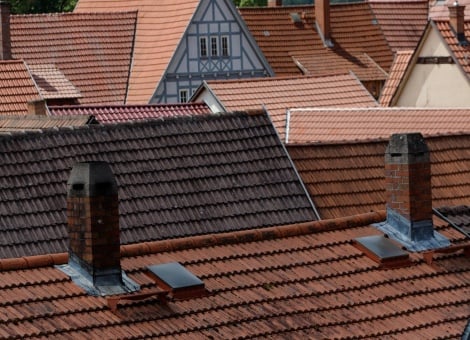
Roof pitch, which is the slope of a roof, plays a major role in how water, leaves, and debris act on it. A greater pitch generally sees better performance in the runoff of rainwater and debris. Furthermore, this natural action of shedding, which higher-pitched roofs promote, reduces the standstill of water, and there is less accumulation of organic material.
In contrast, low-slope or shallow-pitched roofs tend to retain debris for extended periods. Leaves, twigs, and dirt are more present in them after storms. Also, these materials may at times act to hold in moisture, which in turn may promote mold growth, staining, and also the onset of premature wear and tear. Thus, it is also true that roofs with lower pitches will require more frequent inspection and cleaning.
The Impact of Roof Valleys
Roof valleys are the points at which two roof slopes come together to create a channel for water to run off into gutters. Although valleys are a key element in the drainage system, they are also the most fragile elements of the roof.
In the case of valleys that collect and channel large amounts of water, it is seen that they also tend to collect leaves, pine needles, and other forms of debris. Over time, what you get is a buildup of this material, which in turn slows water flow and sets the stage for moisture damage. Should this debris go unaddressed, water may back up under the roofing material, which in turn may cause leaks and structural issues.
Routine care of valleys is a must for them to stay clear and function as intended throughout the year.
Dormers and Complex Roof Structures
Dormers bring out the architectural detail and, at the same time, increase usable interior space, but they also bring in greater maintenance issues. Each dormer adds to the number of intersections, corners, and flashing points that require care.
These design elements may disrupt the natural flow of rainwater and debris. What is seen is leaves’ accumulation at the bottom of dormers and sidewalls; this, in turn, causes pools of standing water. As roof designs become more complex, so does the issue area, which must be checked for deposits and wear out.
Homes that have many dormers, skylights, or that feature intersecting rooflines may see an increased need for maintenance as compared to more basic roof structures.
Drainage Patterns Matter
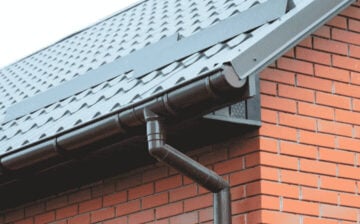
An excellent drainage system is a key element for roof durability. Roof design also plays a role in just how water moves across surfaces, in addition to out through gutters and downspouts. Poor drainage systems may result in standing water, wear and tear of roofing materials, and stress on gutters.
Certain architectural designs may introduce low spots in which water pools up. With time, these pool sites may in fact become home to algae, moss, and mildew. Good drainage design will help avert these problems and also reduce the need for expensive roof repairs.
Homeowners should do a regular check of gutters and drainage systems, which should be free of water against the roof and foundation.
Why do some roofs collect more debris?
Not all roof conditions are equal. Roofs that are near large mature trees will see more leaf and branch drop. Also, the roof structure is a factor that may make the issue better or a rather innocuous one.
Complex roof designs that feature many valleys, dormers, and transitions tend to have natural debris collection points. Also, flat and low-slope areas may see more buildup as wind and rain are not as effective in removing what has accumulated.
For a long time, if debris is left on the roof, it will trap moisture and create great conditions for biological growth. That is why it is very important to do routine inspections of roofs that have complex architectural details.
Roof Cleaning as Part of Preventive Maintenance
One practical solution to the issue of debris accumulation and organic growth is through professional roof cleaning. Valleys, dormers, and drainage channels are areas that, in particular, see buildup that may not be visible from the ground.
Services such as residential roof washing in Tampa FL can help remove dirt, algae, leaves, and other debris that collect in problem areas. Regular cleaning not only improves the appearance of a roof but may also support better drainage and reduce the likelihood of moisture-related issues.
Conclusion
Roof design is a great determinant of long-term home maintenance needs. Issues like roof pitch, valleys, dormers, drainage, and architectural complexity play a role in how water and debris interact with the structure. While some roof designs may improve a home’s character, they also often require more care to prevent accumulation and maintain performance. By studying these elements and implementing regular maintenance practices, homeowners can do much to extend roof life and, in turn, protect their property for the long term.
We hope you found this blog post, The Role Roof Design Plays in Long-Term Home Maintenance, useful. Be sure to check out our post, Roofing Ideas To Enhance Your Home’s Appeal, for more great tips!

Have Experience in the Moving Industry? Want an Additional Income Stream? Work With All Around Moving!
Make a good income as an All Around Moving Services partner. Click here to learn more.