

Tucking furniture, documents, or family heirlooms into a storage unit isn’t something you can walk away from and hope for the best. You’d be surprised how quickly things can go sideways in a storage unit. Moisture can ripple through a wooden desk before you even realize the air’s too damp. Rodents can turn an extension cord into confetti overnight. And that one tiny roof leak you didn’t notice? It can erase a whole box of photo albums. A little planning really does save you heartache. Make sure the space breathes, check for pests, and get honest about how weatherproof your unit actually is. Use the playbook below to keep storage items safe—built from real cases—to make sure everything you store comes back out exactly as you left it.
1. Start With the Right Storage Unit
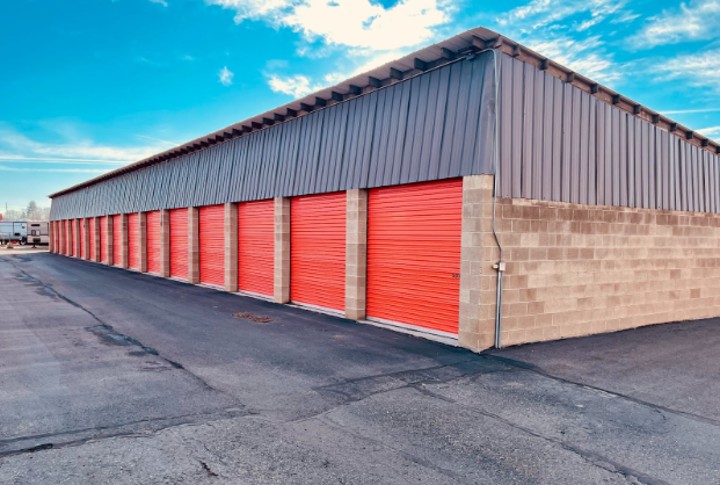
Choosing a unit is half the battle. Indoor, climate-controlled facilities cost 25–40% more per month, but they buffer against heat, cold, and outside humidity—crucial if you’re storing electronics, leather, or antiques. Before signing, inspect the door seals, look for water stains on the concrete, and ask about on-site security cameras.
Case in point: After Hurricane Ian, a Fort Myers facility that spent the extra $0.22 per square foot on interior drainage and sealed roll-up doors reported zero loss claims, while an older neighboring facility saw 70 % of units flooded and $1.8 M in customer payouts.
Need help scouting options? Our guide to storage units in New York City breaks down sizes, pricing, and security features.
2. Control the Climate Before It Controls Your Stuff
Heat, moisture, and rapid temperature swings are the silent killers of stored goods. Aim for 55 – 80 °F and relative humidity under 60 %. In the Northeast, that usually means spring and fall swings; in Florida, it’s a year-round battle.
For units in tropical or coastal zones, layer climate control with proactive residential and commercial pest control services to stop termites, roaches, and rodents before they move in. A quarterly treatment costs far less than replacing an infested sofa.
When built-in controls aren’t available, add renewable desiccant packs, DIY Wi-Fi hygrometers, and breathable cotton furniture covers. Never wrap items in non-porous plastic—it traps condensation. Remote sensors that ping your phone cost ~$40 and let you know the instant humidity spikes, giving you time to ventilate or move valuables.
Use case: A Brooklyn photographer storing archival prints installs two smart hygrometers. They send an alert when summer humidity hits 68 %. She visits, swaps in fresh desiccant, and avoids a $3,500 reprint bill.
3. Insure What You Store
Your homeowner’s or renter’s policy may extend only limited coverage (often 10 %) to off-premise belongings. Double-check:
- Declared value limits—raise them if high-ticket items exceed the cap.
- Perils covered—fire, theft, flood, and vermin often require riders.
- Deductibles—a lower deductible makes small losses worth filing.
Many facilities sell pay-as-you-go policies; compare rates against your existing insurer to avoid duplicate costs. According to the Insurance Information Institute, the average contents-only storage policy runs $12–$16 per month for $5,000 of coverage—a bargain compared with self-funding a total loss.
Real-world analysis: In 2024, a customer in Queens filed a $9,800 claim after roof leaks ruined vintage keyboards. Their $14/month storage policy paid out in 27 days. Had they relied solely on the 10 % off-premise extension of their renter’s plan, they’d have received just $2,500.
4. Pack & Wrap Items the Pro Way
Boxes stacked like Tetris look tidy but can collapse under humidity. Stick to uniform sizes, label all sides, and leave a center aisle for airflow.
Delicate furniture deserves more than a thin blanket. See our full tutorial on how to wrap furniture for moving and storage for step-by-step padding, boxing, and palletizing tips.
Pro move: Snap photos of serial numbers and condition before sealing boxes—insurance claims go faster with evidence.
Case study: A tech startup stored 40 decommissioned laptops for six months. Because each device was photographed and serial-tagged, an insurer reimbursed the full $12,000 after a burglary—no haggling.
5. Keep Critters Out for Good
- Elevate boxes on pallets or wire shelves; rodents hate exposed spaces.
- Use steel wool to plug gaps around unit doors.
- Store fabrics in airtight bins with cedar blocks—natural deterrent, no harsh chemicals.
If you’re renting portable containers, choose steel over wood. They’re harder for pests to penetrate and better at resisting storms; learn more in our guide to moving and storing with shipping containers.
Use case: A Fort Lauderdale homeowner placed cedar blocks in 12 wardrobe boxes before summer storage. When she retrieved clothes in October, not a single moth hole appeared—contrast that with a neighbor who skipped cedar and found larvae in three cashmere sweaters.
Wrap-Up
Picture yourself on move-out day, cutter in one hand, coffee in the other—you’ll be glad you knocked out this five-step drill. First, grab a unit you can actually turn around in, then dial the thermostat so your oak table doesn’t puff up. Snap a handful of insurance pics, run a slim bead of sealant along the door’s bottom lip, and tuck two chunky desiccant packs behind the boxes. Nail those details now and, months later, every piece rolls out looking just the way you left it, ready for their next home.
We hope you found this blog post on Secure Self-Storage: Insurance, Climate Control & Pest Prevention useful. Be sure to check out our post on Smart Storage Solutions for Holiday Décor and Seasonal Items for more great tips!

Have Experience in the Moving Industry? Want an Additional Income Stream? Work With All Around Moving!
We’ll help you start your own moving business. Click here to learn more.